How to Tell If Your Catalytic Converter is Going Bad: Key Signs
Is your car making strange noises or struggling to accelerate? You might be facing an issue with your catalytic converter.
This small but vital part helps reduce harmful emissions, and when it starts to fail, your vehicle’s performance and the environment suffer. But how can you tell if your catalytic converter is going bad before it leads to costly repairs?
You’ll discover clear signs to watch for and simple ways to check your converter’s health. Keep reading—your car and wallet will thank you.
Common Symptoms Of A Failing Catalytic Converter
The catalytic converter plays a key role in reducing harmful emissions from your car. When it starts to fail, it can cause several noticeable problems. Recognizing these symptoms early can save you from costly repairs.
Here are some common signs that your catalytic converter might be going bad.
Check Engine Light Comes On
The check engine light often signals a problem with the catalytic converter. Sensors detect poor performance and trigger the warning. Ignoring this light can cause more damage to your vehicle.
Reduced Engine Performance
A failing catalytic converter can block exhaust flow. This blockage reduces engine power and acceleration. Your car may feel sluggish or slow to respond.
Rattling Noise Under The Vehicle
If the inside of the catalytic converter breaks apart, it can cause a rattling sound. This noise usually appears when starting or driving the car. It means the converter needs inspection or replacement.
Bad Smell From Exhaust
A damaged catalytic converter may emit a strong sulfur or rotten egg smell. This odor comes from unprocessed exhaust gases. It is a clear sign the converter is not working right.
Failed Emissions Test
Your car may fail an emissions test if the catalytic converter is bad. The converter cleans harmful gases before release. A failing unit lets pollutants escape, causing test failure.
Credit: www.premierautomotiveservice.com
Check Engine Light And Diagnostic Codes
The check engine light is the first sign your catalytic converter may be failing. This light appears on the dashboard to warn you about engine or emission problems.
Diagnostic trouble codes (DTCs) help identify the exact issue. Mechanics use a scanner to read these codes and find out what part is causing the problem.
What The Check Engine Light Means
The check engine light turns on when the car’s computer detects a problem. It might blink or stay steady. A blinking light means a serious issue needing quick attention.
For a bad catalytic converter, the light often stays on. This shows the converter is not cleaning exhaust gases properly.
How Diagnostic Codes Reveal Catalytic Converter Issues
Diagnostic codes related to the catalytic converter usually start with “P0420.” This code means the converter is not working efficiently.
Other codes might show problems with oxygen sensors, which monitor converter performance. These sensors detect how well the converter cleans exhaust gases.
Using A Code Reader To Check Your Car
A code reader plugs into your car’s OBD-II port. It reads stored trouble codes in the engine computer. These codes tell you if the catalytic converter or sensors are faulty.
Some code readers display simple messages, making it easier for non-experts to understand the problem. This tool helps decide if you need a mechanic.
Changes In Vehicle Performance
The catalytic converter plays a key role in your car’s exhaust system. It helps reduce harmful emissions and keeps the engine running smoothly. Changes in vehicle performance often signal a problem with the catalytic converter. These changes can affect how your car drives and feels on the road.
Noticing these signs early can save you from costly repairs. Watch for unusual symptoms that show your catalytic converter might be failing.
Reduced Engine Power
Your car may feel weaker or less responsive. Acceleration slows down and the engine struggles to reach higher speeds. This happens because a clogged catalytic converter blocks exhaust flow. The engine works harder but produces less power.
Poor Fuel Efficiency
The engine burns more fuel than usual. You may see a drop in miles per gallon. A bad catalytic converter causes the engine to run inefficiently. This wastes fuel and increases your trips to the gas station.
Engine Misfires And Rough Idling
The engine may misfire or run unevenly at idle. You might feel shaking or hear popping sounds from the engine. A failing catalytic converter disrupts the exhaust system. This leads to poor engine performance and rough running.
Overheating Engine
Your engine could get hotter than normal. A blocked catalytic converter traps heat in the engine. This can cause overheating and damage other parts. Watch for warning lights or steam coming from under the hood.

Credit: www.corsaperformance.com
Unusual Exhaust Smells And Sounds
Unusual exhaust smells and sounds often signal problems with the catalytic converter. This part helps clean harmful gases from your car’s exhaust. When it starts to fail, strange odors and noises can appear. These changes may indicate the converter is clogged or damaged.
Pay attention to any new or odd smells coming from the exhaust pipe. These smells can warn you of a bad catalytic converter.
Strong Sulfur Or Rotten Egg Smell
A bad catalytic converter can cause a strong rotten egg smell. This scent comes from hydrogen sulfide in the exhaust. Normally, the converter changes this gas into harmless substances. If the converter fails, the gas escapes, causing the smell.
Notice this smell during idling or after driving. It means the converter may not be working well.
Loud Or Rattling Noises From Exhaust
Rattling noises under the car often mean a damaged catalytic converter. The converter contains small ceramic pieces inside. These pieces can break and cause a rattling sound.
Loud exhaust noise can also mean a clogged converter. The blockage forces exhaust gases to escape loudly. This noise may get worse as engine speed increases.
Burning Or Hot Exhaust Smell
A burning smell near the exhaust is another sign of trouble. It could mean the converter is overheating. Overheating happens if exhaust gases cannot flow freely.
This smell can be sharp and unpleasant. It may also cause engine performance to drop.
Visual Inspection Tips
Checking your catalytic converter visually can help spot early problems. A simple look under your vehicle reveals signs of damage or wear. This inspection does not require special tools. It only needs your attention to detail and safety precautions. Always make sure the car is cool before starting.
Here are easy tips to guide your visual check. These tips help you find cracks, rust, or strange shapes. Knowing what to look for saves time and money on repairs.
Check For Physical Damage
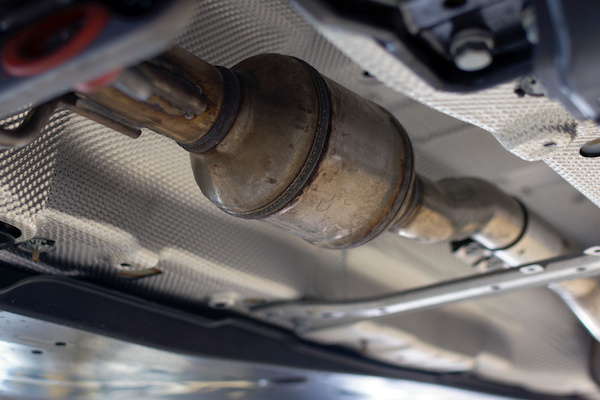
Look closely at the catalytic converter’s outer shell. It should be smooth and intact. Notice any dents, cracks, or holes. These are signs the converter has been hit or is failing. Even small damage can reduce its efficiency.
Look For Rust And Corrosion
Rust on the converter’s surface is a warning sign. Corrosion can eat away metal and cause leaks. Focus on joints and seams where rust often forms first. Surface rust may not be serious, but heavy corrosion needs attention.
Inspect For Discoloration
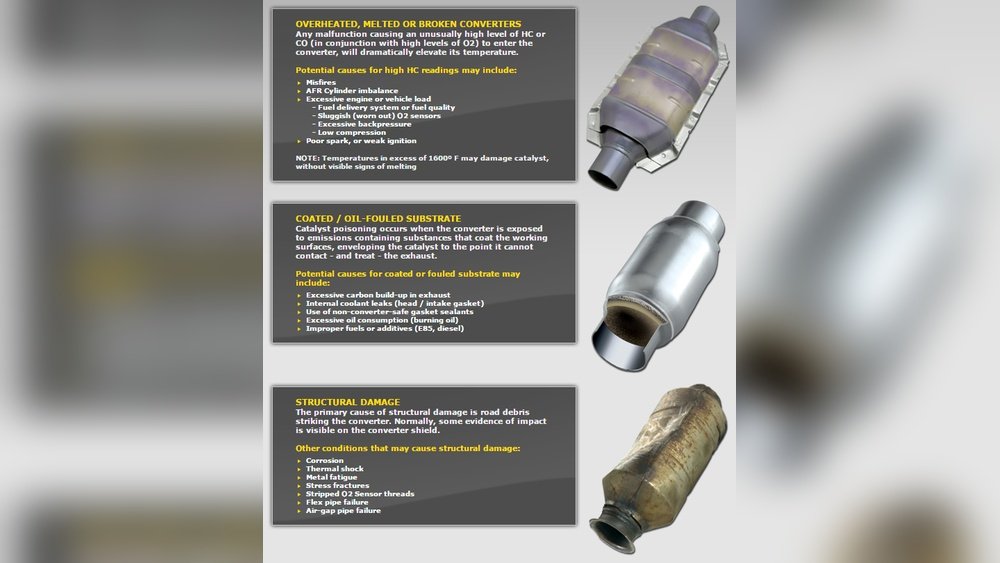
Color changes on the catalytic converter can mean overheating. Look for blue, black, or white patches. These colors appear when the converter runs too hot. Overheating harms the internal parts and reduces lifespan.
Check For Loose Or Missing Parts
Ensure all clamps and hangers are secure. Loose or missing parts cause rattling sounds and poor function. Gently shake the converter to feel if it moves too much. Stability is key for proper operation.
Notice Any Strange Smells
A bad converter can emit unusual odors. Smell for rotten eggs or sulfur near the exhaust. These smells indicate the converter is not processing gases correctly. This is a clear sign it needs service.
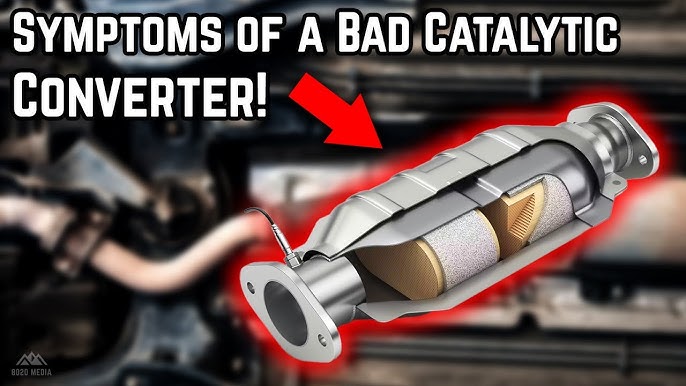
Credit: www.youtube.com
When To See A Mechanic
Strange smells or poor engine performance may signal a failing catalytic converter. Strange noises or a check engine light also warn of trouble. Early repairs can save you time and money.
Unusual Engine Noise
Listen for strange sounds from your car’s engine area. A rattling noise often signals a failing catalytic converter. This noise happens because parts inside the converter break loose. Don’t wait. Take your car to a mechanic if you hear this sound.
Check Engine Light Is On
The check engine light on your dashboard can indicate many issues. A bad catalytic converter is one common cause. A mechanic can run tests to find the exact problem. Visit a mechanic quickly after the light turns on.
Decreased Engine Performance
Your car may lose power or run rough when the catalytic converter fails. It might also hesitate when accelerating. These problems make driving unsafe and uncomfortable. Let a mechanic inspect your vehicle if you notice this change.
Strong Exhaust Smell
A strong smell like rotten eggs or sulfur can come from a bad catalytic converter. This smell means your car is not cleaning exhaust gases properly. It can be harmful to breathe. See a mechanic to fix this issue fast.
Failed Emissions Test
If your car fails an emissions test, the catalytic converter might be the cause. The converter helps reduce harmful gases in exhaust. Mechanics can check and repair or replace it. Schedule a visit after a failed test.
Frequently Asked Questions
What Are Common Signs Of A Bad Catalytic Converter?
A failing catalytic converter can cause a drop in engine performance. You may notice poor acceleration, rough idling, or a rotten egg smell from the exhaust.
How Does A Bad Catalytic Converter Affect Car Emissions?
A damaged catalytic converter cannot clean exhaust gases well. This causes higher emissions, which can fail emissions tests and harm the environment.
Can A Clogged Catalytic Converter Cause Engine Overheating?
Yes, a clogged catalytic converter blocks exhaust flow. This can increase engine temperature and cause overheating or even engine damage.
How Long Does A Catalytic Converter Usually Last?
A catalytic converter typically lasts about 70,000 to 100,000 miles. Driving habits and fuel quality can affect its lifespan.
Is It Safe To Drive With A Failing Catalytic Converter?
Driving with a bad catalytic converter is risky. It can reduce engine power and increase harmful emissions, so repair it soon.
Conclusion
A failing catalytic converter can cause many car problems. Strange noises, poor engine performance, and bad smells are clear signs. Don’t ignore these warning signs to avoid costly repairs. Regular checks help keep your car running smoothly. Act fast to protect your vehicle and the environment.
Knowing these signs saves time and money. Stay alert and take action when you notice issues. Your car will thank you.