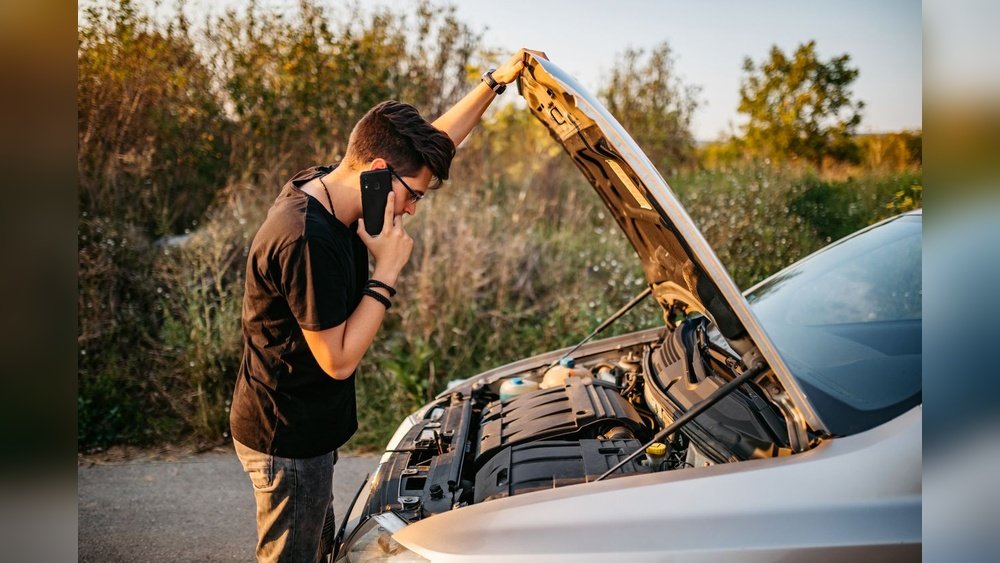
What Happens If Your Car Battery Dies While Driving: Shocking Truths
Imagine you’re driving down the road when suddenly, everything starts to go wrong. Your car feels different, the lights dim, and then—your engine dies.
What happens if your car battery dies while you’re driving? It’s a scary thought, but knowing what to expect can keep you calm and safe. You’ll discover exactly what happens, how to spot the signs early, and what steps you should take to avoid danger.
Keep reading—you don’t want to be caught off guard when this happens to you.

Credit: www.allstarbatteries.com.au
Signs Your Battery Is Failing
Recognizing the signs of a failing car battery can save you from being stranded on the road. Early detection helps you take action before the battery dies completely. Watch for small changes in your car’s performance.
These signs often start with simple electrical issues. Pay attention to how your car’s lights and engine behave. They reveal a lot about your battery’s health.
Dim Lights And Electrical Issues
Dim headlights or interior lights are a common sign of battery trouble. The battery may not supply enough power to keep lights bright. You might notice flickering or slow response from electrical components.
Other electrical systems like the radio or power windows might act strange. They can work slower or stop working for short periods. These issues often get worse as the battery weakens.
Engine Struggles To Start
The engine may turn slowly or fail to start at all. You might hear a clicking sound when you turn the key. This means the battery does not have enough power to start the engine.
Starting problems often happen more during cold weather. A weak battery struggles to produce enough energy in low temperatures. If your engine struggles, it is time to check the battery.

Credit: www.youtube.com
Immediate Effects Of A Dead Battery While Driving
Driving with a dead car battery can be dangerous. It affects your vehicle’s key systems fast. Knowing what happens helps you stay calm and safe.
The battery powers many parts while driving. Once it dies, these parts stop working properly. Your control over the car changes immediately.
Loss Of Power Steering And Brakes
The power steering depends on electricity. A dead battery causes it to fail. The steering wheel becomes very hard to turn.
Brakes may also lose power assist. Pressing the brake pedal takes much more effort. Stopping the car becomes harder and slower.
Both make steering and stopping a challenge. This can increase the risk of accidents. Stay calm and try to steer safely.
Dashboard Warning Lights
The dashboard lights show the car’s status. A dead battery causes many warning lights to come on. The battery light is one of the first.
Other important lights may include the ABS and engine lights. These signals warn you about system failures. Watch the lights to understand your car’s condition.
Bright, flashing lights mean urgent problems. Use this information to respond quickly and carefully.
Safety Risks On The Road
A car battery dying while driving creates serious safety risks. The vehicle can lose power suddenly. Drivers and passengers face unexpected dangers on the road. Understanding these risks helps prepare for such events. Staying calm and knowing what to do improves safety.
Increased Accident Risk
When the battery dies, power steering and brakes may stop working. This makes controlling the car very hard. The engine can stall without warning. Other drivers may not expect a slow or stopped car. These conditions increase the chance of a crash. Always stay alert and try to move safely off the road.
Stranded In Unsafe Locations
A dead battery can leave you stuck in dangerous spots. Highways, dark roads, or busy streets are risky places. Stranded cars can cause traffic jams and accidents. Being outside the vehicle in such areas puts you at risk. Use hazard lights and move to a safer spot if possible.
Steps To Take If Your Battery Dies
Car battery failure during driving can be scary. Knowing the right steps helps keep you safe. Acting quickly and calmly reduces risks. Here are simple actions to follow if your battery dies while driving.
Safely Pulling Over
Slow down gradually. Avoid sudden moves. Turn on your hazard lights to alert drivers behind you. Look for a safe spot on the side of the road. Avoid sharp curves or hills. Pull over to a flat, wide shoulder if possible. Stop the car and shift into park. Apply the parking brake to prevent rolling. Stay inside the vehicle if the area feels unsafe.
Using Jump-start Techniques
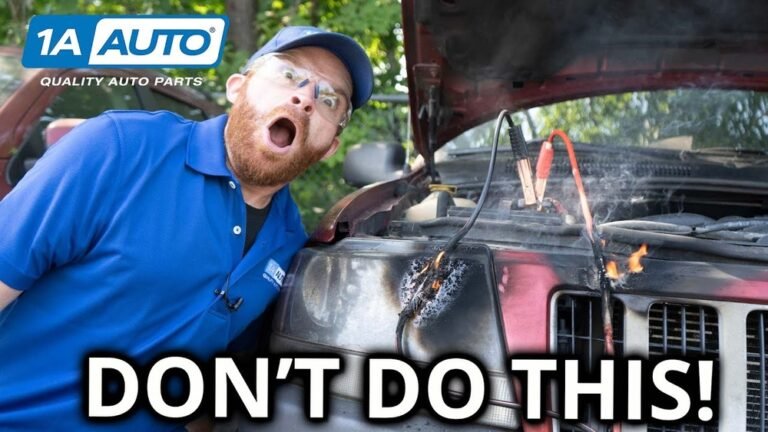
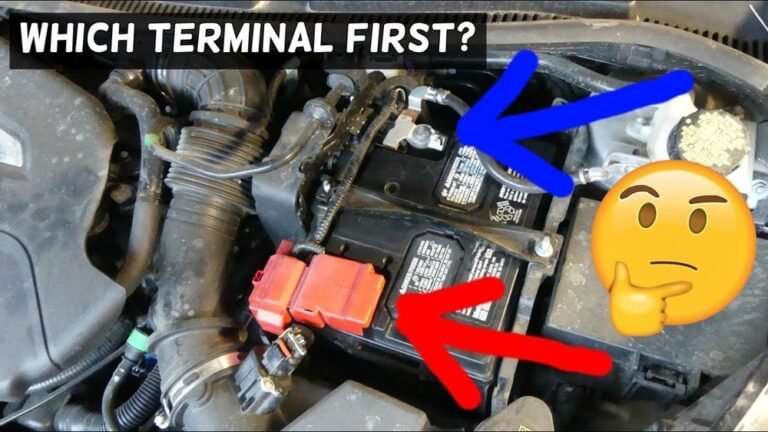
Locate jumper cables and a second vehicle with a good battery. Park the second car close but not touching your vehicle. Turn off both engines. Connect cables in this order: positive to dead battery, positive to good battery, negative to good battery, negative to metal ground on dead car. Start the working car and let it run for a few minutes. Try starting your car. Remove cables in reverse order. Let your car run to recharge the battery fully.
Preventing Battery Failure
Preventing battery failure is crucial to avoid car troubles while driving. A dead battery can stop your car suddenly, causing danger and delays. Taking care of your battery helps keep your car running smoothly. Simple steps can extend your battery’s life and improve reliability.
Regular Maintenance Tips
Check your battery regularly for dirt and corrosion. Clean the terminals with a wire brush if you see buildup. Make sure the battery is tightly secured to avoid vibrations. Test the battery voltage with a multimeter every few months. Avoid leaving lights or electronics on when the engine is off. Drive your car regularly to keep the battery charged. Extreme hot or cold weather can affect battery health. Park in a garage or shaded area to protect it.
When To Replace Your Battery
Batteries usually last three to five years. Signs of a weak battery include slow engine starts and dim lights. If your battery is over three years old, test it more often. Replace the battery if it fails a voltage test. Sudden drops in power can signal a failing battery. Keep track of your battery’s age and condition. Early replacement prevents being stranded with a dead battery.

Credit: www.ancel.com
Frequently Asked Questions
What Happens When A Car Battery Dies While Driving?
The car may lose power and the engine can stall suddenly. Electrical systems like lights and radio stop working. It can be dangerous if it happens in traffic.
Can A Dead Battery Cause The Car To Stop Moving?
Yes, a dead battery can cause the engine to stop running. The battery powers the ignition system and fuel pump. Without it, the car may lose power and stop.
How To Restart A Car If The Battery Dies While Driving?
Restarting is usually not possible while driving with a dead battery. The car needs a jump-start or battery replacement after stopping safely. Call roadside help for assistance.
What Safety Steps To Follow If Battery Dies While Driving?
Turn on hazard lights to warn other drivers. Slowly move the car to the roadside or safe area. Call for help and avoid trying risky fixes on the road.
Conclusion
A dead car battery while driving can cause serious problems. Your car may lose power suddenly. This can make steering and braking harder. Always stay calm and pull over safely. Call for roadside help or a tow service. Regular battery checks help avoid these issues.
Keep jumper cables in your car just in case. Knowing what to do can keep you safe. Drive smart and prepare for unexpected battery troubles.