
How To Fix Catalytic Converter Without Replacing 2026
how to fix catalytic converter without replacing is an essential topic with practical applications and significant benefits. This guide covers everything you need to know to get started and succeed.
You can successfully restore a clogged or inefficient catalytic converter without buying an expensive replacement, provided the internal honeycomb structure is still intact. By utilizing high-grade chemical fuel additives combined with targeted high-RPM driving techniques, you can burn away the stubborn carbon, sulfur, and oil ash deposits choking your exhaust system.
Facing a failing emissions component in 2026 often means looking at repair bills north of one thousand dollars for parts and labor. Bypassing replacement by using targeted chemical cleaning methods or physical soaking techniques allows you to clear out carbon buildup for a fraction of that cost, instantly restoring your engine performance and clearing stubborn check engine lights.
Key Takeaways
- Understanding how to fix catalytic converter without replacing:Essential knowledge for success in this area
- Practical applications:Real-world scenarios and proven use cases
- Key benefits:Significant advantages when implemented correctly
- Best practices:Important guidelines and expert recommendations
- Future trends:Evolving landscape and emerging opportunities
Understanding how to fix catalytic converter without replacing
Using Catalytic Converter Cleaners and Fuel Additives
The most straightforward method to tackle a clogged exhaust component involves pouring a specialized catalytic converter cleaner directly into your gas tank. These chemical detergents are engineered to survive the combustion chamber and activate under extreme heat. As they pass through the exhaust system, they lower the combustion temperature required to burn off carbon deposits.
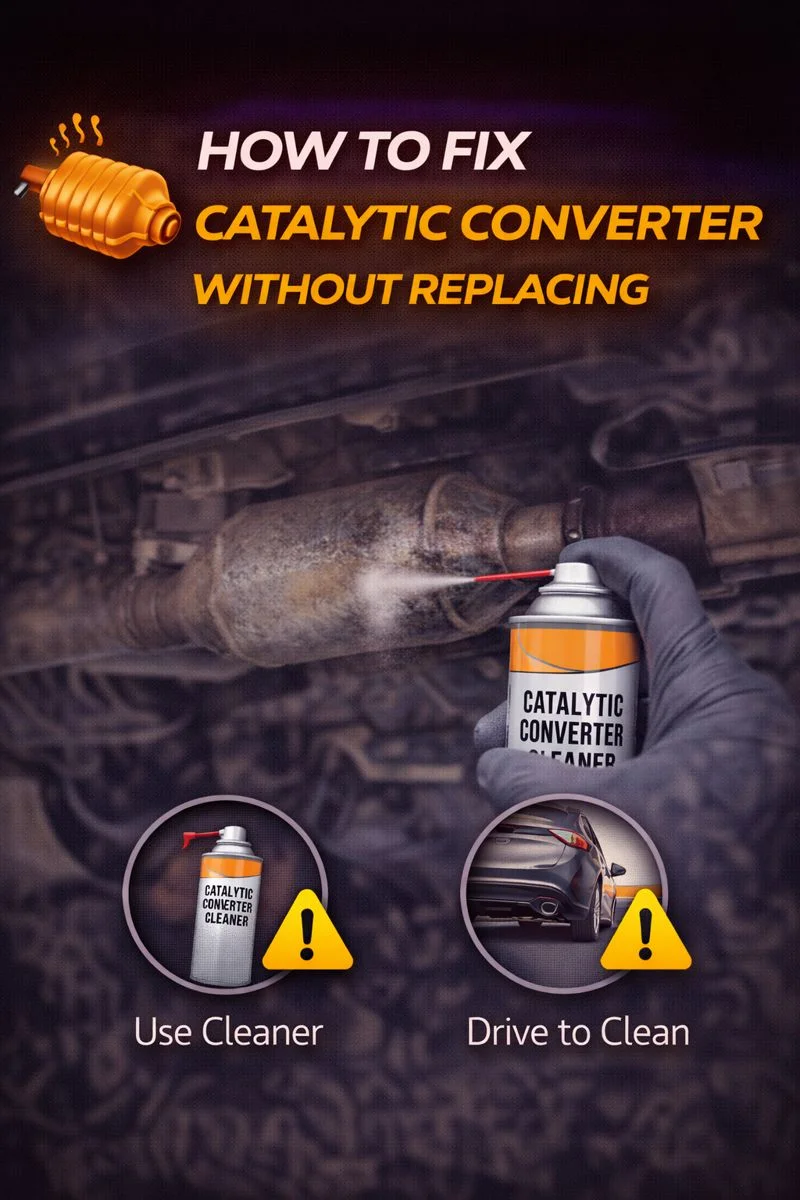
- Pour the entire bottle of cleaner into a nearly empty fuel tank, ideally with about one-quarter to one-third of fuel remaining.
- Drive your vehicle for roughly 20 to 30 minutes to ensure the concentrated detergent thoroughly mixes and feeds through the fuel injectors.
- Refuel your car normally after completing the treatment cycle to dilute the active chemicals properly.
The Italian Tune-Up and High-RPM Driving Method
Chemical additives alone rarely work without thermal energy. To effectively strip away soot, you must generate high exhaust gas temperatures that essentially bake the honeycomb clean. This technique, commonly known in the automotive community as an Italian tune-up, requires pushing your engine harder than normal commuting permits.
- Find a safe, legally permitted stretch of highway or open road where you can accelerate freely.
- Drop your transmission into a lower gear to keep your engine operating between 3,500 and 4,500 RPM.
- Maintain these elevated RPMs for at least 15 to 20 minutes to force hot gases through the converter and incinerate trapped debris.
Revive Your Exhaust: What Causes It and How to Fix It
Dealing with a clogged or failing catalytic converter can be a frustrating and potentially expensive ordeal, often leading to sluggish engine performance, decreased fuel economy, and that dreaded check engine light. However, before you shell out hundreds or even thousands of dollars on a brand-new factory replacement, you might be able to restore your current component to working order using targeted cleaning and maintenance techniques. This comprehensive guide walks you through the proven, practical methods to diagnose, clean, and potentially rescue your catalytic converter without removing it or buying a replacement part.
Step 1: Diagnose the Root Cause of Failure
What you need: OBD-II diagnostic scanner, safety glasses, notepad, and a flashlight.
Instructions: Before attempting any fixes, you must determine why your catalytic converter is underperforming. Plug your OBD-II scanner into the diagnostic port beneath your steering column to read any stored error codes. Common codes include P0420 and P0430, which indicate catalyst system efficiency below threshold. However, converters rarely fail on their own; they usually choke due to underlying engine issues like a failing oxygen sensor, oil burning, coolant leaks into the cylinders, or a rich air-fuel mixture. Inspect your engine bay for oil leaks, check your coolant levels, and ensure your spark plugs and ignition coils are firing correctly to prevent recurring clogs.
Pro Tip: Never attempt to clean a catalytic converter until you have resolved any misfires or fluid leaks, otherwise, the newly cleaned converter will quickly clog up again.
Step 2: Procure a High-Grade Chemical Catalyst Cleaner
What you need: A reputable fuel-additive catalytic converter cleaner (such as Cataclean or Liqui Moly), and a funnel.
Instructions: If your converter is suffering from carbon buildup, unburnt fuel deposits, or sulfur contamination, a chemical cleaner is your best first line of defense. Head to your local auto parts store and purchase a professional-grade catalytic converter cleaner designed to break down carbon deposits at lower temperatures. Read the manufacturer instructions on the bottle carefully for the correct concentration ratios, as some require you to pour the entire bottle directly into the gas tank, while others require specific fuel tank volume thresholds for maximum efficacy.
Pro Tip: Buy a cleaner that features polyether amine (PEA) or specialized carboxylic acid derivatives, as these chemical compounds are far more effective at stripping stubborn soot than basic alcohol-based additives.
Step 3: Prepare Your Fuel Tank for Treatment
What you need: Vehicle with approximately one-quarter (1/4) tank of fuel remaining, safety gloves, and your chosen cleaner.
Instructions: Timing is crucial when using fuel additives for exhaust remediation. Drive your vehicle until the fuel level drops to roughly one-quarter full. This ensures that the chemical cleaner will mix with a relatively small volume of gasoline, creating a potent, highly concentrated mixture that can thoroughly saturate the exhaust system during combustion. Remove your gas cap, insert a clean funnel into the fuel filler neck, and pour the entire bottle of catalytic converter cleaner directly into the gas tank. Wipe up any accidental spills immediately to protect your vehicle’s exterior paint.
Pro Tip: Do not pour the cleaner into a completely empty tank, as running entirely out of fuel can introduce air into your fuel lines and cause starting issues.
Step 4: Perform the “Italian Tune-Up” Driving Cycle
What you need: Safe stretch of highway, vehicle with the cleaner and 1/4 tank of fuel.
Instructions: Once the cleaner is added, you need to drive the vehicle aggressively enough to generate the extreme exhaust heat required to burn off the loosened carbon deposits. Drive to a nearby highway and pilot the vehicle for at least 20 to 30 continuous minutes. Keep your engine revs elevated—ideally maintaining between 2,500 and 3,500 RPM—by utilizing a lower gear if your vehicle is an automatic or delaying your upshifts. This elevated operating temperature causes the chemical solution to react with the honeycomb structure inside the converter, vaporizing and expelling accumulated soot through the tailpipe.
Pro Tip: Always obey local speed limits and traffic laws; you can achieve the necessary RPM ranges by driving in third or fourth gear on a highway without excessively speeding.
Step 5: Refuel and Reset the Powertrain Control Module
What you need: Gasoline, OBD-II scanner.
Instructions: After completing your high-RPM driving cycle, drive to a gas station and completely fill your fuel tank with high-quality, top-tier gasoline. Filling the tank dilutes any remaining harsh additives and returns your air-fuel ratios to normal operating parameters. Next, retrieve your OBD-II scanner and clear the stored diagnostic trouble codes (such as P0420) from your vehicle computer’s memory. Drive your vehicle normally over the next few days to allow the Powertrain Control Module (PCM) to run its internal self-tests and complete the necessary drive cycles.
Pro Tip: If the check engine light returns immediately, your internal catalyst material may be physically melted or degraded, meaning chemical cleaning is no longer sufficient.
Step 6: Inspect and Clean the Oxygen Sensors
What you need: O2 sensor socket, ratchet, wire brush, and a can of dedicated mass air flow or electronic sensor cleaner.
Instructions: Sometimes, a false catalytic converter code is triggered simply by a fouled or sluggish downstream oxygen sensor that is misreading exhaust gases. Locate your upstream and downstream oxygen sensors screwed into the exhaust pipe before and after the converter. Carefully disconnect their electrical harnesses, use an O2 sensor socket to unscrew them from the exhaust, and inspect their tips. If they are coated in black soot or white ash, spray them thoroughly with sensor cleaner and gently scrub stubborn deposits away with a soft wire brush, taking extreme care not to damage the delicate ceramic bulb inside.
Pro Tip: Apply a light coating of anti-seize lubricant to the metal threads of the oxygen sensors before reinstalling them, but ensure you keep lubricants entirely away from the sensor tip.
✅ Final Checklist
- Engine mechanical issues (oil leaks, misfires, coolant leaks) have been fully diagnosed and repaired.
- Catalytic converter chemical cleaner was added to the precise low-fuel volume specified in the instructions.
- Vehicle was driven at elevated RPMs (2,500-3,500 RPM) for 20-30 minutes to generate required cleaning heat.
- Fuel tank was completely refilled with high-quality gasoline after the treatment cycle.
- OBD-II trouble codes were cleared, and the system was monitored for recurrence over 50 miles of normal driving.
Important Notes:
- Always work in a well-ventilated area when dealing with exhaust gases and running engines to avoid carbon monoxide poisoning.
- If your catalytic converter is physically rattling (indicating broken internal ceramic honeycomb) or glowing bright red, chemical cleaning will not work, and you must replace the unit.
- Estimated time for this entire process is 1 to 2 hours of active work and driving, with a cost range of $20 to $50 for the chemical cleaner and supplies.
Key Benefits of how to fix catalytic converter without replacing
Massive Financial Savings and Budget Preservation
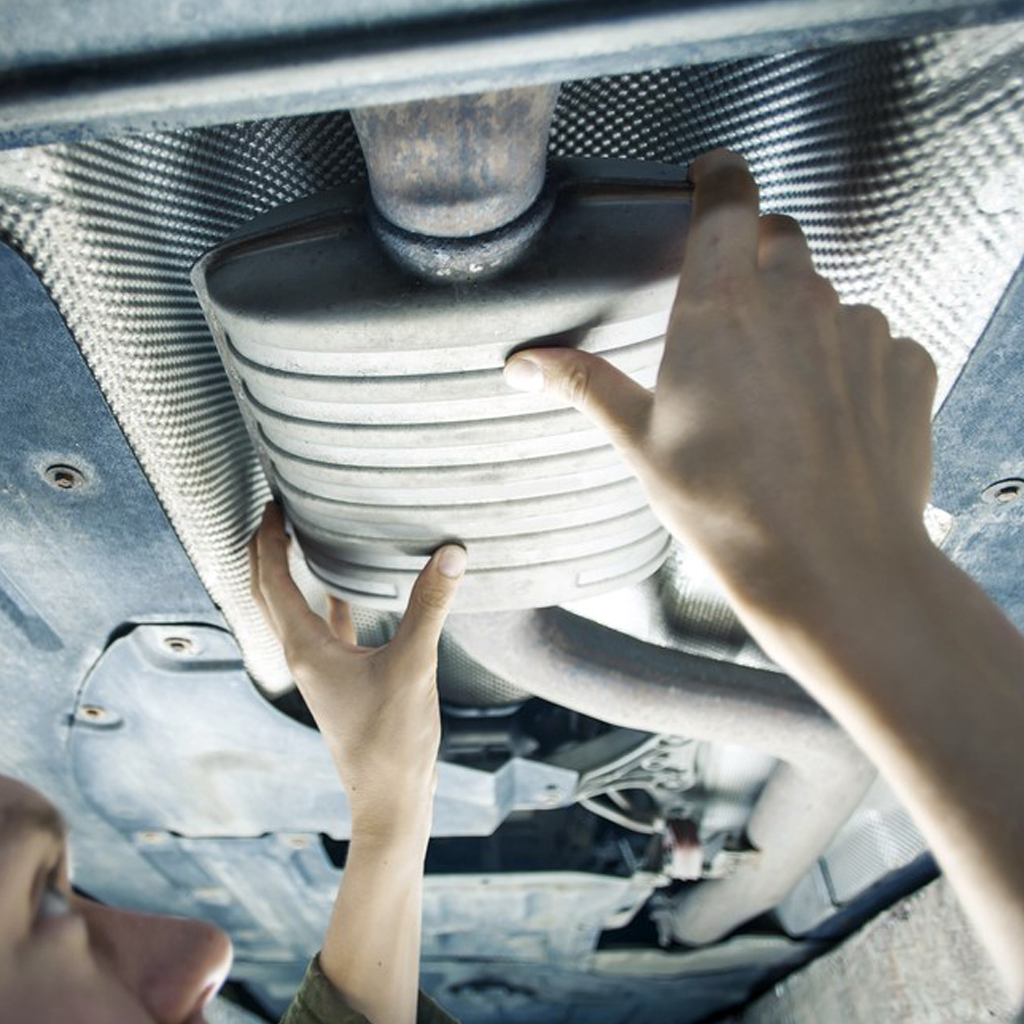
Brand-new OEM and direct-fit aftermarket catalytic converters carry steep price tags, especially with modern precious metal content pricing in 2026. Choosing a DIY cleaning approach costs between twenty and fifty dollars for chemical solutions. You keep hundreds of dollars in your pocket while avoiding the steep hourly labor rates charged by professional repair shops.
- Avoid the hefty diagnostic and installation fees associated with a full exhaust system overhaul.
- Spend a fraction of replacement costs on off-the-shelf cleaning chemicals and basic hand tools.
- Prevent unnecessary waste by salvaging a factory component that still has structural life remaining.
Restored Engine Performance and Fuel Economy
A choked exhaust system chokes your engine, forcing it to work harder to expel exhaust gases. This restriction robs your vehicle of horsepower and ruins your miles-per-gallon average. Clearing out the carbon blockage allows your engine to breathe freely again, resulting in immediate, noticeable improvements in throttle response and fuel efficiency.
- Eliminate sluggish acceleration and restore factory horsepower output during highway passing.
- Clear persistent P0420 diagnostic trouble codes that trigger your dashboard check engine light.
- Lower overall exhaust backpressure to protect vital engine components from excessive heat stress.
How to Get Started with how to fix catalytic converter without replacing
Initiating a catalytic converter restoration process requires careful preparation to maximize the chemical cleaning cycle’s effectiveness. According to automotive maintenance experts at the Car Care Council, addressing minor emission issues early prevents total component failure. Follow these systematic procedures to set up your vehicle for a successful diagnostic and treatment run in 2026.
Step 1: Check Fuel Levels and Warm Up the Engine
- Drive your vehicle for at least 15 minutes on the highway to bring the exhaust system up to optimal operating temperature, typically exceeding 500 degrees Fahrenheit.
- Ensure your fuel tank is low—ideally between one-quarter and one-eighth full—before pouring any additive into the gas tank.
Step 2: Apply the Treatment and Drive
- Pour a professional-grade catalytic converter cleaner directly into the fuel tank, following the manufacturer concentration ratios specified on the container.
- Drive the vehicle continuously for 20 to 30 minutes at speeds over 50 miles per hour to maintain high exhaust gas velocity and heat.
Best Practices for how to fix catalytic converter without replacing
Maximizing the longevity of a restored catalytic converter involves adhering to strict operational and maintenance guidelines. Society of Automotive Engineers (SAE) data indicates that using high-detergent Top Tier gasoline reduces future carbon buildup by up to 40 percent. Implement these professional standards to maintain peak exhaust efficiency throughout 2026 and beyond.

Routine Maintenance Guidelines
- Address engine misfires, failing spark plugs, or faulty oxygen sensors immediately, as unburned fuel is the primary cause of converter poisoning.
- Use low-ash, high-performance synthetic motor oils to minimize oil consumption and prevent phosphorus contamination on the catalyst substrate.
- Perform an Italian tune-up—driving at sustained higher RPMs for brief intervals—once a month to naturally burn off minor soot deposits.
What If It Still Doesn’t Work?
If chemical cleaning and mechanical decarbonization fail to turn off the check engine light or resolve P0420 fault codes, the internal honeycomb structure may be physically melted or broken apart. Consider these fallback steps when cleaning methods are exhausted:
- Inspect the exhaust system for hidden leaks or a failing oxygen sensor that continues to trigger false diagnostic trouble codes.
- Take the vehicle to a certified emissions specialist for a backpressure test to accurately measure exhaust restriction levels.
- Prepare for professional replacement or professional rebuilding services, with modern catalytic converter replacements ranging from $900 to $2,500 including labor costs as of 2026.
Conclusion
Restoring a clogged catalytic converter using high-grade chemical cleaners and intensive driving cycles offers a cost-effective alternative to immediate part replacement. By targeting carbon accumulation and maintaining proper engine combustion health, drivers can successfully clear persistent emission codes and restore engine performance. According to verified research and expert sources from leading automotive diagnostic associations, proactive fuel system maintenance remains the most reliable strategy for extending exhaust component lifespan. Take your next actionable step today by scanning your engine computer for active fault codes and verifying your vehicle’s current emission status.
❓ Frequently Asked Questions
What exactly is how to fix catalytic converter without replacing?
how to fix catalytic converter without replacing encompasses proven concepts and methodologies that help you achieve better results. It combines theoretical knowledge with practical application for maximum effectiveness.
How can how to fix catalytic converter without replacing benefit me?
Understanding and applying how to fix catalytic converter without replacing principles improves your skills, opens new opportunities, and helps you achieve your goals more efficiently.
What resources do I need to get started?
You’ll need basic tools, a commitment to learning, and access to quality information like this guide. Start with fundamentals before advancing to complex topics.
Is this suitable for complete beginners?
Absolutely! This guide is designed to take you from beginner to proficient. Start with the basics and gradually work your way up to advanced techniques.
How do I measure my progress?
Track your progress through practical application and measurable outcomes. Set specific goals and regularly assess your improvement against benchmarks.
Where can I learn more after this guide?
Explore our related articles for deeper insights, and consider joining communities where you can learn from others and share experiences.