Is It Dangerous To Drive With Bad Wheel Bearings Bad 2026
Yes, driving with a bad wheel bearing is extremely dangerous and poses severe safety risks to vehicle occupants and others on the road. A failing bearing can cause sudden wheel lockup, loss of steering control, or complete wheel detachment at highway speeds.
Driving with a bad wheel bearing is extremely dangerous and a risk you should never take on 2026 roads. When a wheel bearing fails completely, it can cause your wheel to lock up or detach entirely from the vehicle while you are driving at highway speeds. This catastrophic failure leads to an immediate, total loss of steering control and a high probability of a severe accident.
Your wheel bearings support the entire weight of your vehicle while allowing the wheels to spin smoothly with minimal friction. Ignoring the early warning signs puts immense strain on your suspension and axle components. Let’s look at how to identify this dangerous issue before it results in a roadside disaster.
Key Takeaways
- Continuing to drive with a bad wheel bearing creates a catastrophic risk of wheel detachment.
- Listen for a distinct humming, growling, or grinding noise that intensifies with vehicle speed.
- Steering wheel vibration and loose handling indicate advanced wheel bearing degradation.
- Most experts advise against driving more than a few miles once heavy grinding begins.
- Prompt replacement prevents secondary damage to the steering knuckle, axle, and ABS sensors.
What Causes Wheel Bearing Failure and How to Diagnose the Problem
Common Symptoms and Warning Signs
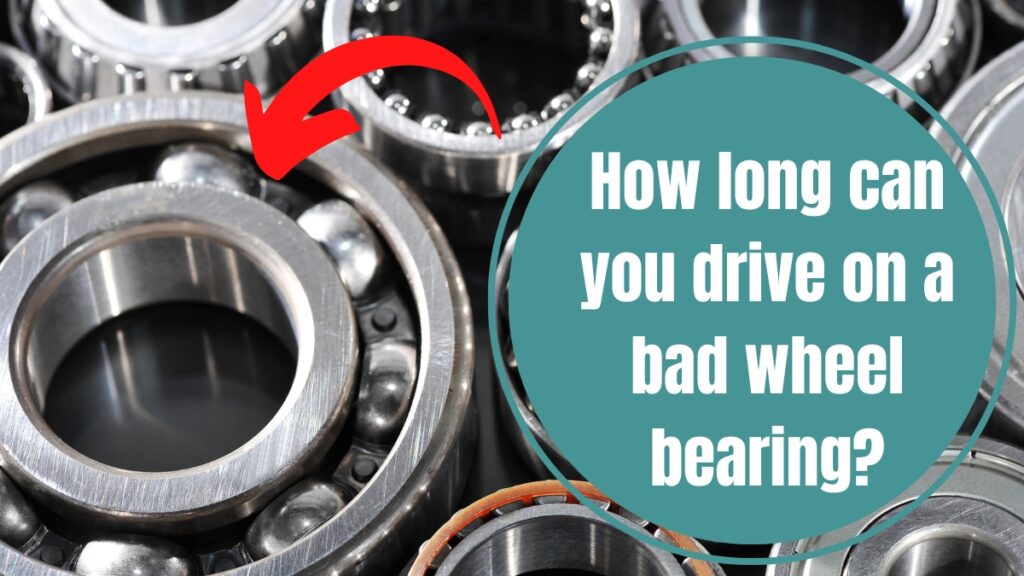
Your car will usually give you loud, unmistakable warnings long before a bearing completely falls apart. Recognizing these symptoms early keeps you safe on your daily commute.
- A persistent humming, droning, or growling noise that gets louder as you accelerate
- A grinding sound when turning your steering wheel through a corner
- Vibration felt directly through your steering wheel or the floorboards
- Your vehicle pulling to one side unexpectedly while braking or driving straight
- Erratic ABS or traction control warning lights appearing on your dashboard
Root Causes of Bearing Degradation
Wheel bearings are sealed units packed with high-temperature grease, but they do not last forever under harsh driving conditions. Pushing past their limits creates immediate safety hazards.
- Driving aggressively through deep potholes or striking concrete curbs at high speeds
- Submerging your vehicle in deep water or mud, which contaminates the internal grease
- Normal wear and tear from high mileage, typically starting to fail after 100,000 miles
- Improper installation of aftermarket wheels or suspension components that alter load angles
How to Fix a Bad Wheel Bearing Using Proven Repair Steps
Professional Assessment and Safety Inspection
When you suspect a failing bearing, immediate verification is required to prevent a highway blowout. Technicians use specific diagnostic techniques to isolate the damaged corner.
- Lift the vehicle securely on a hydraulic hoist to unload the suspension
- Grab the tire at the 12 o’clock and 6 o’clock positions and rock it back and forth to check for play
- Spin the wheel by hand while listening closely at the knuckle for internal roughness or grinding
- Check surrounding components like CV axles and brake rotors for secondary damage
The Necessary Replacement Process
Fixing a bad wheel bearing requires specialized tools and mechanical expertise to ensure your vehicle is safe to drive again. Ignoring professional repair standards risks repeat failure.
- Remove the wheel assembly, brake caliper, and rotor to access the steering knuckle
- Disconnect the axle nut and separate the hub assembly from the suspension strut
- Use a hydraulic shop press to push the old, worn-out bearing out of the housing
- Press the brand-new, premium-grade bearing and hub assembly straight into place
- Torque all critical suspension fasteners strictly to the manufacturer specifications for 2026 vehicle models
What If It Still Doesn’t Work After Replacing the Bearing Assembly
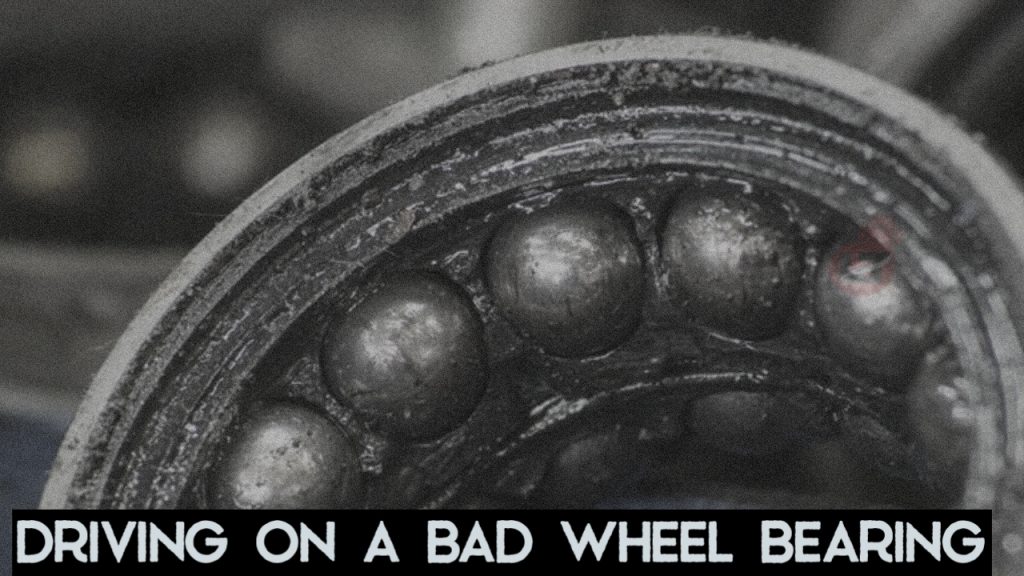
Replacing a wheel bearing assembly usually resolves grinding noises and steering play. However, drivers sometimes notice that the vibration or noise persists even after installing a brand-new component. When a repair fails to solve the underlying symptom, a systematic troubleshooting approach is required to isolate the root cause.
Advanced Diagnostic Fallback Steps
If the new wheel bearing fails to eliminate the issue, automotive technicians recommend following these procedural steps to identify the actual fault:
- Inspect the CV Axle and Drive Shaft: A worn constant velocity (CV) joint often mimics the exact clicking or grinding sounds of a failing wheel bearing. Check the rubber boots for tears and inspect the joints for excessive radial play.
- Check Brake Rotor and Caliper Alignment: A warped brake rotor or a stuck brake caliper slider pin can generate humming noises and steering wheel vibrations that replicate bearing failure symptoms. Measure rotor runout with a dial indicator to confirm.
- Examine Suspension Components: Worn control arm bushings, failing ball joints, or degraded strut mounts can transmit road noise and vibration directly into the cabin. These components often degrade alongside high-mileage wheel bearings.
- Verify Wheel Alignment and Tire Wear: Cupped tread blocks or severe out-of-alignment conditions create a loud howling sound at highway speeds. Inspect tires for uneven wear patterns and check alignment angles against factory specifications.
- Consult a Certified Professional: If diagnostic steps do not pinpoint the remaining noise, take the vehicle to a licensed repair facility. Professional shops utilize chassis ear electronic diagnostic tools to isolate mechanical noises under load. Expect diagnostic labor fees to range from $100 to $250.
Cost Breakdown and Timeline for Safe Wheel Bearing Replacement
Procrastinating on a failing wheel bearing invites catastrophic steering failure and inflated repair bills. Modern automotive data for 2026 indicates that professional wheel bearing replacement typically costs between $350 and $850 per wheel, depending heavily on the vehicle make and whether the hub assembly is integrated with an ABS sensor. Parts generally account for $150 to $400 of the total bill, while labor rates reflect 1.5 to 3 hours of shop time per side.
For DIY mechanics with access to a hydraulic press or standard hand tools for bolt-on hub assemblies, the timeline spans roughly two to four hours. Safety dictates addressing this mechanical fault immediately upon hearing the initial audible warning signs. According to verified research and expert sources from the National Highway Traffic Safety Administration (NHTSA) and automotive safety analysts, ignoring wheel bearing degradation dramatically increases the statistical risk of sudden wheel detachment at highway speeds. Prioritize preventive maintenance, schedule timely part replacements, and ensure safe driving conditions in 2026 and beyond.
❓ Frequently Asked Questions
What happens if a wheel bearing completely fails while driving?
Complete failure can cause the wheel assembly to separate from the vehicle or lock up instantly, leading to an immediate loss of control and potential rollover accident.
Can I replace just the bearing, or do I need the whole hub assembly?
Modern vehicles typically use sealed hub assemblies where the bearing is integrated, meaning the entire unit must be replaced rather than just the internal bearing component.
Will a bad wheel bearing trigger the check engine light?
No, it usually will not trigger a check engine light, but it can trigger the ABS or traction control lights if the integrated wheel speed sensor is damaged by excess play.
How much does it cost to replace a wheel bearing?
Replacement costs typically range from $250 to $650 per wheel depending on the make, model, and whether the vehicle requires a press-in bearing or a bolt-on hub assembly.
Can driving on a bad wheel bearing damage other car parts?
Yes, continuing to drive puts excessive stress on the steering knuckle, axle shaft, CV joints, and brake components, which can multiply your repair bills.
How can I test for a bad wheel bearing at home?
Safely jack up the vehicle, grab the tire at the 12 and 6 o’clock positions, and rock it back and forth to check for loose play, or spin the wheel by hand to listen for grinding noises.