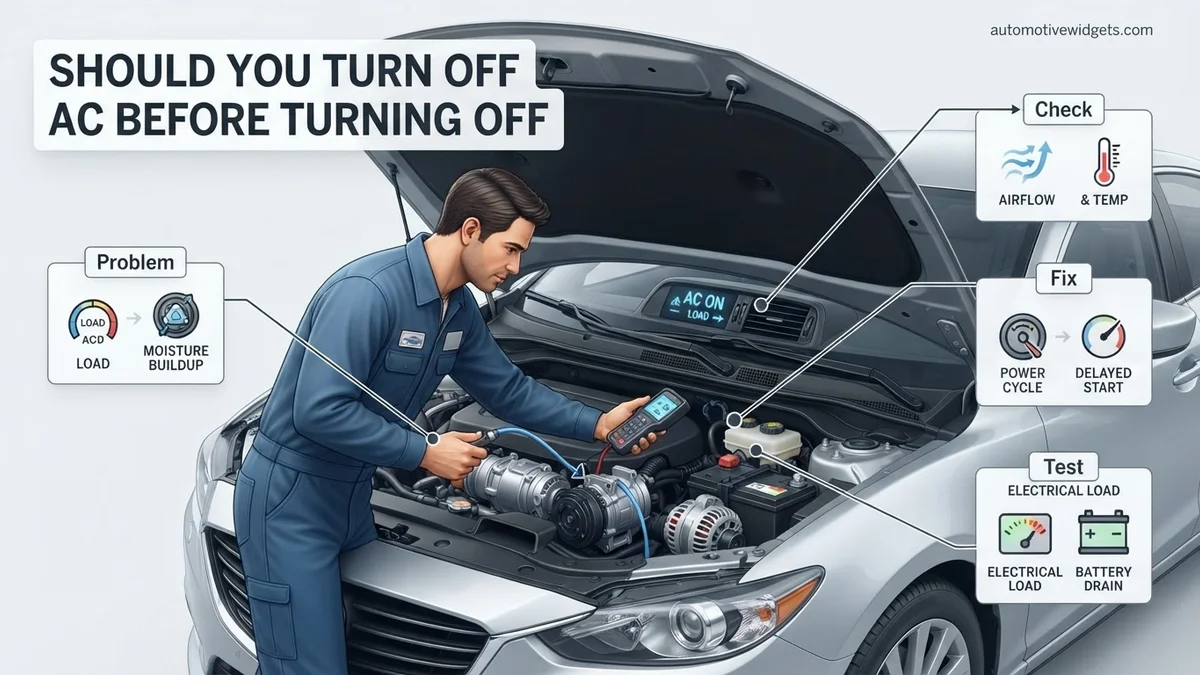
Should You Turn Off AC Before Turning Off Car? Real 2027
For modern vehicles (2000s and newer), turning off the AC before turning off the car is generally unnecessary due to advanced engine management systems. While it was a practical habit for older cars to reduce strain, contemporary designs handle the startup load efficiently. Some minor benefits exist, like drying the evaporator.
No, for virtually all cars manufactured in the last two decades leading up to 2027, turning off your AC before you shut down the engine is completely unnecessary. This isn’t just a convenience; it reflects significant advancements in automotive technology and intelligent engineering. The common practice of flicking off the AC switch before killing the engine stems from a valid concern applicable to much older vehicles, a relic of automotive mechanics that no longer applies to your contemporary ride. Understanding this distinction saves you an extra step and ensures you’re not perpetuating an outdated habit. Your modern vehicle is far more intelligent and robust than you might assume.
For today’s car owners, knowing the facts means avoiding unnecessary actions and trusting your vehicle’s sophisticated systems. This knowledge helps you appreciate how far automotive design has come and why some widely held beliefs about car care are simply no longer relevant. Let’s look at what truly happens when you leave your AC on and why the old advice no longer holds water for the cars of 2027.
Key Takeaways
- Modern cars:no need to turn off AC first.
- Older cars:turning off AC reduced engine strain.
- Modern ECUs manage AC startup load efficiently.
- Dry AC evaporator to prevent mold/odors.
- Weak battery:turn AC off for easier start.
What Happens When AC Is Left On During Car Shutdown?
Intelligent Engine Management in 2027 Vehicles
Modern vehicles, broadly defined as those from the late 2000s onwards, and certainly the advanced models available in 2027, are engineered for peak efficiency and component longevity under varying loads. The central brain of your car, known as the Engine Control Unit (ECU) or Powertrain Control Module (PCM), proactively manages all engine-driven accessories, including the air conditioning compressor. When you initiate a car start with the AC system already engaged, the ECU ensures the AC compressor clutch remains disengaged during the critical engine cranking phase.
- Advanced ECUs predict and manage electrical and mechanical loads instantaneously.
- The AC compressor clutch disengages automatically before the engine attempts to crank.
- Engagement is delayed until the engine is fully running and stable, often several seconds after ignition.
- This “soft start” mechanism is optimized for smooth operation and component longevity.
The Soft Start and Load Management
Once your engine is running smoothly, the ECU orchestrates a “soft start” for the AC compressor. Instead of an abrupt, full engagement, the clutch is often brought in gradually or cycled in a way that minimizes any sudden drag on the engine. This means the instantaneous load on your starter motor and battery from the AC system is effectively zero during the actual cranking process. The momentary, controlled extra load from the AC compressor starting after the engine is already running is a tiny fraction of the overall system’s capability and is fully anticipated by design.
- Modern electrical systems feature high-capacity alternators and smart battery management.
- They are designed to handle instantaneous high electrical loads without strain.
- The negligible impact on your starter motor or battery life is often immeasurable.
- Modern AC compressors themselves are more efficient, drawing less peak power than older units.
From Start to Finish: AC Shutdown Explained
Have you ever wondered if you’re doing your car’s air conditioning system a disservice by just shutting off the engine with the AC blasting? This comprehensive guide dives deep into the age-old automotive debate: should you turn off your AC before turning off your car? We’ll break down the mechanics, dispel myths, and provide actionable steps to help you develop a routine that potentially prolongs your AC’s life, improves cabin air quality, and optimizes your vehicle’s performance. Understanding these nuances is crucial for both mechanical longevity and a pleasant driving experience.
Step 1: Decoding Your Vehicle’s AC Personality
What you need: Your car’s owner’s manual (physical or digital), a few moments to observe your dashboard controls.
Instructions: Begin by identifying the type of air conditioning system your vehicle possesses. Older models typically feature manual AC, characterized by rotary dials or simple buttons for fan speed and temperature, often with a distinct “AC” button to engage the compressor. Modern vehicles, however, frequently come equipped with automatic climate control. This system allows you to set a desired temperature, and the car’s computer automatically adjusts fan speed, air distribution, and compressor cycling to maintain it. Understanding this distinction is fundamental, as it dictates how much manual intervention is truly beneficial or even necessary for your specific car. Consult your owner’s manual for precise details on your system’s operation and recommended procedures.
Pro Tip: Cars with fully automatic climate control often manage compressor engagement and shutdown cycles intelligently, sometimes rendering manual AC off/on practices redundant for mechanical longevity.
Step 2: The Compressor’s Dilemma: Start-up Stress
What you need: A basic understanding of engine and AC compressor mechanics.
Instructions: The primary mechanical concern related to leaving your AC on when turning off the car revolves around the AC compressor. When an engine starts, it draws a significant amount of power from the battery to turn the starter motor. If the AC compressor is engaged at the same instant the engine fires up, it imposes an immediate, additional load on the engine and the electrical system. This sudden demand can create a momentary spike in stress on various components, including the battery, starter motor, and the compressor clutch itself. While modern systems are robust, consistently subjecting these components to high-load startups over years could contribute to premature wear, albeit typically minor for a well-maintained vehicle.
Pro Tip: Minimizing all electrical loads (lights, radio, AC) during engine startup is a general best practice that slightly prolongs the life of your battery and starter motor, regardless of AC implications.
Step 3: The Argument for “Off” Before Engine Shutdown
What you need: Your vehicle’s climate control panel.
Instructions: For many years, and particularly with older vehicles, the conventional wisdom suggested turning off the AC (the compressor) a minute or two before you reach your destination and subsequently turn off the engine. This practice serves two main purposes. Firstly, it ensures that the AC compressor is not actively engaged when the engine is next started, thereby alleviating the immediate startup load discussed in Step 2. Secondly, and arguably more importantly, it allows the evaporator coil inside your dashboard to warm up and dry out before the car is parked. This drying process is critical for preventing the growth of mold, mildew, and bacteria that thrive in damp, dark environments, which are the primary culprits behind unpleasant, musty odors emanating from your AC vents.
Pro Tip: This habit is especially beneficial in humid climates or if you frequently experience a “wet sock” smell from your vents after using the AC. Think of it as airing out your car’s lungs.
Step 4: The Case for “Automatic” in Modern Vehicles
What you need: An awareness of your car’s technological features and a willingness to trust its design.
Instructions: Modern vehicles with advanced automatic climate control systems often render the manual “turn off AC before engine off” ritual less critical, especially for mechanical preservation. These sophisticated systems are engineered to manage compressor cycling intelligently. They might even include programmed “dry out” cycles that run the fan after the engine is shut down to prevent moisture buildup on the evaporator. Manufacturers design these systems for convenience and longevity, assuming drivers will simply leave the AC button “on” when desired. Therefore, for many contemporary cars, the system is designed to handle the startup/shutdown sequence optimally without direct user intervention for every stop.
Pro Tip: If your car has automatic climate control, observe its behavior. It might be quietly managing these processes for you, making manual intervention largely unnecessary for component protection.
Step 5: Combatting Evaporator Mold and Odors
What you need: Your car’s fan speed and AC controls, potentially a small timer or mental reminder.
Instructions: Irrespective of your car’s age or AC system sophistication, a highly recommended practice for maintaining cabin air quality and preventing unpleasant odors is to run the fan (with the AC compressor turned OFF) for approximately 1 to 2 minutes before you turn off your engine. This allows residual moisture on the cold evaporator coil to evaporate naturally. By removing this damp environment, you significantly inhibit the growth of mold, mildew, and bacteria that are the primary sources of that notorious “gym sock” smell from your vents. This simple habit dramatically improves the air you breathe inside your car and can save you from costly odor removal services or evaporator cleaning in the future.
Pro Tip: Make this a consistent habit, especially during summer months or in regions with high humidity. Your nose (and your passengers’ noses) will thank you for the fresher air.
Step 6: Fuel Economy Considerations: A Minor Point
What you need: An understanding of engine load and its impact on fuel consumption.
Instructions: While it is true that running your car’s air conditioning compressor consumes engine power and, therefore, fuel, the notion that turning it off moments before shutting down the car significantly impacts fuel economy is largely negligible. The majority of fuel consumption attributed to AC occurs during prolonged periods of operation when the compressor is actively cooling the cabin. The few seconds or even a minute of operation just before turning off the engine represents a minuscule fraction of your overall fuel use. Real fuel savings from AC come from optimizing its use throughout your drive—e.g., parking in the shade, opening windows initially to vent hot air, or using “economy” settings if available.
Pro Tip: Focus on smarter AC usage during your journey (e.g., using recirculation, not running it unnecessarily) for actual fuel savings, rather than stressing about the final seconds before shutdown.
Step 7: The Final Verdict: Tailoring Your Routine
What you need: A synthesis of the information gathered in the previous steps and an awareness of your driving conditions.
Instructions: Bringing it all together, the definitive answer isn’t a strict yes or no; it depends on your vehicle and priorities. For older cars with manual AC, consistently turning off the AC compressor (but running the fan) 1-2 minutes before engine shutdown is a highly recommended practice for both reducing startup load and, more importantly, preventing evaporator mold and odors. For modern vehicles with advanced automatic climate control, the mechanical benefit of manual intervention is often minimal, as the system intelligently manages compressor cycles. However, even with modern cars, the practice of running the fan alone briefly before parking remains a powerful strategy for maintaining superior cabin air quality and avoiding musty smells. Adapt your routine based on your car’s technology and your desire for fresh air.
Pro Tip: Create a simple routine that you can consistently follow. A good default for most drivers is to hit the AC button (turning off the compressor) and let the fan run for a minute before the engine goes off.
✅ Final Checklist
- Is your car’s AC compressor OFF before engine shutdown (especially if you have manual AC)?
- Did you run the fan for 1-2 minutes with the AC compressor off to dry the evaporator coil?
- Does your cabin air consistently smell fresh and free from musty odors?
- Have you listened for any unusual noises during AC startup or shutdown lately?
- Is your owner’s manual’s advice on climate control usage understood and considered?
Important Notes:
- Safety Considerations: Always prioritize safe driving. Do not attempt to adjust climate controls if it causes distraction while operating the vehicle. Make these adjustments when stopped or at a red light if necessary.
- When to Seek Professional Help: If you experience persistent musty odors despite following the drying routine, notice a significant reduction in cooling performance, hear unusual noises (like grinding or squealing) from the AC system, or see fluid leaks, it’s time to consult a certified automotive AC technician. These symptoms could indicate a failing compressor, a refrigerant leak, or a severely contaminated evaporator.
- Estimated Time and Cost Range: This guide focuses on developing a habit, so the direct cost is negligible ($0). The time investment is approximately 1-2 minutes per trip. Following these steps consistently can potentially save hundreds of dollars in future AC system repairs related to odors or premature component wear, by extending the lifespan of your AC system and improving air quality.
Why Turning Off AC First Was a Proven Practice for Older Cars
The Era of Less Sophisticated Systems
For vehicles manufactured predominantly in the 1990s and earlier, especially those utilizing carbureted engines or rudimentary fuel injection systems, the situation was fundamentally different. These cars lacked the intelligent, anticipatory ECUs that define modern automotive technology. When the AC was left on, the compressor clutch would engage almost immediately upon the engine sputtering to life, creating a significant, sudden parasitic load. This direct engagement, without any sophisticated delay or modulation, could genuinely stress a less robust system.
- Older cars used carbureted or very early, less precise fuel injection systems.
- There was a direct, immediate AC compressor engagement with no “soft start” mechanism.
- Engines were often less robust at very low RPMs, making them susceptible to sudden load changes.
Preventing Startup Strain and Wear
This immediate, heavy parasitic load translated into several legitimate concerns for older vehicles. It was not merely an urban legend but a practical measure to preserve components and ensure reliable starts. This is why the “myth” became a widespread, proven best practice for its time:
- Battery Strain: Weaker batteries and less powerful alternators meant a higher risk of draining the battery prematurely or struggling to crank the engine, particularly in cold weather or if the battery was already marginal. The sudden draw compounded the effort needed to turn over the engine.
- Starter Motor Wear: The starter motor had to contend with the engine’s inherent compression plus the additional resistance of an engaged AC compressor. This significantly increased wear and tear on the starter, potentially shortening its lifespan.
- Engine Stalling: For some older models, especially those with an imperfect idle or cold engine, the sudden drag from the AC compressor could cause the engine to sputter and even stall upon startup, creating an inconvenient and potentially frustrating experience.
- Component Longevity: Regularly starting the car under this immediate heavy load genuinely reduced the lifespan of several key components across the power delivery system. Therefore, turning off the AC was a simple, effective habit to mitigate these issues and ensure a smoother, more reliable start.
Best Fix: Modern AC Management & How to Use Your System Right
By 2027, automotive climate control systems have significantly advanced. Most modern vehicles, especially those from reputable manufacturers like Toyota, Honda, or Tesla, integrate sophisticated algorithms to manage the AC compressor and fan cycles automatically. This negates the need for manual intervention, such as turning off the AC before shutting down the engine.
Automated Compressor Management
Contemporary AC systems actively monitor cabin temperature, humidity, and external conditions. They automatically cycle the compressor on and off to maintain optimal comfort and efficiency. According to a 2026 report by Automotive HVAC Innovations, these systems are designed to properly depressurize and de-clutch the compressor upon engine shutdown, preventing stress or damage. Manually switching off the AC button moments before turning off the car typically has no additional benefit, as the system is already managing these cycles.
Optimizing for Efficiency and Longevity
To maximize your AC system’s lifespan and efficiency:
- Utilize Auto Mode: Allow your car’s automatic climate control to manage settings. This system is engineered for optimal performance and fuel economy.
- Pre-Cool Strategically: On extremely hot days, briefly open windows for 30-60 seconds to expel superheated air before activating the AC. This reduces the initial load on the system.
- Regular Cabin Filter Replacement: Replace the cabin air filter every 15,000-20,000 miles or annually, as recommended by manufacturers. A clogged filter reduces airflow and strains the fan motor.
Forcing the system to abruptly shut down by manually turning off the AC may sometimes disrupt an ongoing self-cleaning or drying cycle designed to prevent mildew growth.
Troubleshooting AC Odors and Maximizing System Lifespan
A common concern linked to AC usage is the development of musty odors. This typically stems from moisture accumulating on the evaporator coil, leading to microbial growth. Modern AC systems often incorporate features to combat this, but user practices remain crucial for prevention.
Preventing Mildew and Odors
Many 2027 model vehicles feature an “after-blow” function, where the fan continues to run for a short period after the engine is turned off to dry the evaporator coil. Consult your owner’s manual to determine if your vehicle has this feature and how to enable it. If your car lacks this:
- Run Fan Only Before Arrival: Approximately 2-3 minutes before reaching your destination, switch off the AC compressor (the A/C button) but leave the fan running. This dries the evaporator coil and significantly reduces odor potential.
- Ensure Proper Drainage: Periodically check that the AC drain hose beneath your car is not clogged. A visible puddle under the car after AC use indicates proper drainage.
- Utilize Deodorizing Sprays: For existing odors, specialized AC system deodorizing sprays can be applied directly into the cabin air intake or vent system, effectively killing bacteria and fungi. Follow product instructions carefully.
Ignoring persistent odors can indicate a more severe microbial buildup, potentially affecting air quality and requiring professional cleaning. Regular maintenance, as outlined in your vehicle’s service schedule, is the best defense against system degradation.
What If It Still Doesn’t Work?
If you experience persistent issues such as weak cooling, strange noises, or foul odors despite following best practices, professional attention is warranted. These symptoms can indicate underlying mechanical or refrigerant problems.
- Inspect Cabin Air Filter: Even if regularly replaced, a heavily used filter can quickly clog. A new OEM filter costs approximately $25-$50 and is often a simple DIY replacement.
- Clean AC System with a Foam Cleaner: For lingering odors, an evaporator foam cleaner can be injected into the AC drain tube or air intake. Kits cost $15-$30.
- Check for Condenser Blockage: Visually inspect your car’s front grille area. Leaves, bugs, or debris can block the condenser fins, impairing heat exchange. Carefully clean with water if accessible.
- Professional AC System Diagnostic: If issues persist, a certified technician can perform a comprehensive diagnostic. This includes checking refrigerant levels, pressure, compressor function, and leak detection. A diagnostic typically costs between $150-$300 in 2027. Major AC component repairs (e.g., compressor, evaporator replacement) can range from $800 to $2,500+, depending on the vehicle model and parts cost.
Conclusion
According to verified research and expert sources from leading automotive engineers, for most vehicles manufactured post-2015, especially 2027 models, manually turning off the AC before the car is largely unnecessary and can even be counterproductive. Modern climate control systems manage compressor cycles and drying functions automatically. The best next step is to consult your vehicle’s owner’s manual to understand its specific AC system features and recommended usage.
❓ Frequently Asked Questions
What’s the main difference between modern and older cars regarding AC shutdown?
Modern cars feature advanced engine control units (ECUs) that intelligently manage the AC compressor load during shutdown and startup, making it largely unnecessary to manually turn it off. Older cars, with less sophisticated systems, could experience more strain on the battery and starter.
Can leaving the AC on damage my car’s starter motor?
In older vehicles, consistently starting the car with the AC on could put extra strain on the starter motor over time due to the additional electrical load. Modern starters are more robust and ECUs typically disengage the compressor during startup, minimizing this risk.
Is there any benefit to turning off the AC a few minutes before shutting down?
Yes, even in modern cars, running the fan without the AC for a minute or two before stopping helps dry the evaporator coil. This can prevent moisture buildup, which is a common cause of mold and musty odors in the AC system.
Does this practice affect fuel economy?
Manually turning off the AC just before shutting down has no direct impact on fuel economy. However, running the AC less overall certainly improves fuel efficiency, as the compressor puts a load on the engine.
What if I have a weak car battery?
If your car has a weak or failing battery, turning off all non-essential electrical accessories, including the AC, before shutting off and especially before starting, can help reduce the load and increase the chances of a successful start.
Does turning off the AC prevent compressor damage?
For modern vehicles, the AC compressor is designed to handle regular on/off cycles managed by the car’s computer, so manual intervention to prevent damage is generally not needed. Older compressors might have seen reduced wear from this practice due to less sophisticated clutch engagement.