How Long to Wait for Car Wash After Paint Job Expert 2027
After a fresh paint job, waiting 30-90 days for full paint cure is crucial before the first wash to prevent damage and ensure longevity. Initial hardening often takes 7 days, but full chemical cross-linking needs more time. Washing too soon can lead to issues like hazing, dullness, or even paint failure, compromising the finish.
In 2027, if your vehicle has just received a fresh coat of paint, the most crucial advice is simple: wait. You need to hold off on washing your car for a minimum of 7 days, with an ideal waiting period extending to 30 to 90 days for full paint curing. This isn’t just about appearances; it’s about safeguarding the structural integrity and longevity of your new finish from the molecular level up.
Ignoring this critical waiting period can lead to significant problems, turning your investment into a source of frustration. Premature washing, especially with harsh chemicals or high-pressure water, can permanently damage the curing paint, leading to issues like dullness, streaking, hazing, or even adhesion failure. Understanding this timeline is essential for any car owner wanting to preserve their vehicle’s pristine new look.
Key Takeaways
- Wait 30-90 days for full paint cure before washing.
- 7 days is the minimum for initial paint hardening.
- Premature washing causes hazing, dullness, or damage.
- Spot clean gently with water if dirty early.
- Hand wash first, avoid automated systems.
- Avoid waxing for 90 days after new paint.
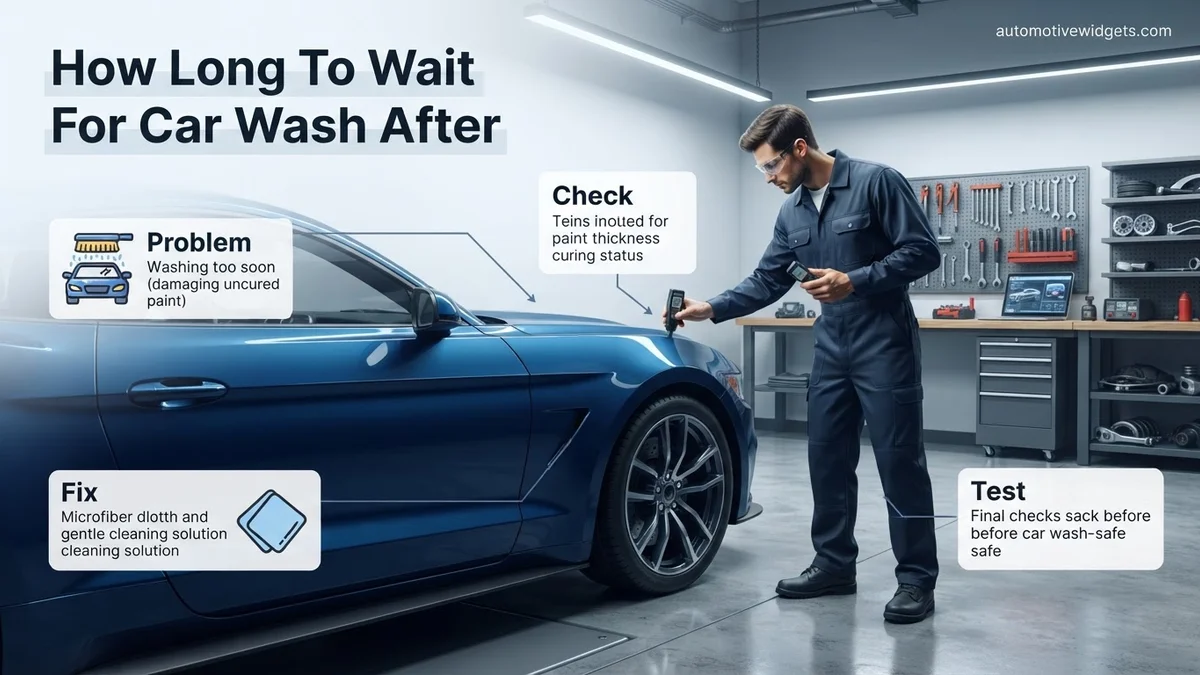
What Causes New Car Paint to Be Vulnerable After a Paint Job?
The fresh, glossy finish on your car might look ready for anything, but beneath that surface, the paint is undergoing a complex chemical transformation. This process, known as curing, is vital for the paint to achieve its intended hardness, durability, and resistance to environmental factors. Neglecting this delicate stage leaves your paint highly susceptible to damage.
Understanding the Curing Process: Beyond Dry to the Touch
When paint is applied, it feels dry to the touch relatively quickly. However, this “surface dry” state is merely the first step. True curing involves the evaporation of solvents and, more importantly for modern automotive paints in 2027, a process called cross-linking. During cross-linking, the paint’s molecular chains bond together, forming a hard, resilient film. This process can take weeks, or even months, depending on the paint type, thickness, and environmental conditions. Until this molecular structure fully hardens, your paint remains soft and porous.
Why Water and Chemicals are the Enemy
During the curing phase, the paint is still off-gassing solvents and establishing its final molecular bonds. Introducing water, especially with detergents or high pressure, can be detrimental. Water can trap solvents under the surface, hindering proper evaporation and leading to solvent popping or hazing. Chemicals in car wash soaps, even mild ones, can prematurely etch or stain the soft paint, causing permanent dullness or streaks. High-pressure water can even compromise adhesion, potentially lifting or blistering the paint before it has fully bonded to the substrate. Essentially, you’re interrupting a chemical process that defines the paint’s long-term quality.
How to Properly Determine and Apply the Waiting Period for Car Washes
Knowing the precise waiting period is the most important factor in preserving your newly painted car. This isn’t a one-size-fits-all duration; it depends heavily on whether the paint job was done professionally with specialized equipment or as a DIY repair. Adhering to these guidelines ensures the paint reaches its full potential in terms of durability and finish.
The Critical Waiting Periods: Minimum vs. Ideal
Let’s break down the essential timelines you need to follow. These periods are non-negotiable for a lasting finish:
- Minimum Safe Waiting Period: Wait at least 7 days before any light, gentle wash. This period allows the initial surface hardening and solvent flash-off for most modern automotive paints. For professional jobs with baked-on finishes, this 7-day mark is generally safe for a very cautious, hand wash.
- Ideal Waiting Period for Full Cure: For the paint to achieve its maximum hardness and chemical resistance, you should wait 30 to 90 days. During this extended period, the paint undergoes complete molecular cross-linking. Only after this time is the paint fully resilient against harsh chemicals, high-pressure washing, and waxing.
Skipping these waiting times, particularly the ideal one, can significantly shorten the life and vibrancy of your new paint job.
Professional vs. DIY: Curing Time Varies
The environment and process used for your paint job critically influence curing times:
- Professional Paint Jobs (Baked Finish): Modern automotive body shops in 2027 use high-tech paint booths that bake the paint at specific temperatures. This significantly accelerates the initial curing process, hardening the outer layers rapidly. While you can typically perform a very gentle hand wash after 7 days, the underlying molecular cross-linking still takes 30+ days for full strength.
- DIY or Spot Repairs (Air Dry): If your car was painted in a non-professional setting, like a home garage, the paint relies solely on ambient air temperature and humidity for drying and curing. This process is much slower. For air-dried paints, extend the minimum waiting period to 14-21 days before a gentle wash, and still aim for the 60-90 day range for a full cure before using automatic washes or harsh chemicals. Always consult the paint manufacturer’s specific recommendations for air-dry products.
How to Safely Handle Dirt and Prepare for the First Wash
Even with careful driving, dust and light grime can accumulate on a newly painted vehicle. Addressing this safely before the recommended 90-day waiting period for a full wash is crucial to prevent micro-scratches or premature paint degradation. Automotive paint specialists in 2027 strongly advise against abrasive methods or harsh chemicals.
Spot Cleaning Light Debris
- Dust Removal: For light dust accumulation, utilize a high-quality car duster designed for paint, or a leaf blower on its lowest setting, held at a safe distance (minimum 2 feet), to gently blow off debris. Avoid wiping dust with a dry cloth, which can scratch the soft clear coat.
- Bird Droppings/Bug Splatter: These acidic contaminants require immediate, gentle removal. Dampen a soft, clean microfiber towel with distilled water or a pH-neutral quick detailer spray. Lay the wet towel over the contaminant for several minutes to rehydrate and soften it.
- Gentle Lift: After softening, gently blot and lift the debris without scrubbing. Turn the towel to a clean side and repeat if necessary. Never apply pressure or rub.
Preparing for the Initial Full Wash (Post-90 Days)
When the 90-day curing period is complete, the first full wash demands extreme care. Industry best practices for 2027 detail a meticulous, low-impact process:
- Two-Bucket Method: Use two separate buckets: one with pH-neutral car wash soap and water, the other with plain rinse water. This prevents transferring dirt particles back onto the paint.
- Soft Wash Mitts: Employ only premium, high-pile microfiber or lamb’s wool wash mitts. Avoid sponges, which can trap grit.
- Gentle Technique: Wash one section at a time, rinsing your mitt thoroughly in the plain water bucket before reloading with soap. Wash in straight lines, not circles, to minimize potential swirl marks.
- Pressure Washer Caution: If using a pressure washer, maintain a distance of at least 3 feet and use a wide-angle (40-degree or wider) nozzle. Lower pressure settings (below 1500 PSI) are recommended for newly cured paint.
- Drying: Immediately dry the vehicle with a dedicated, plush microfiber drying towel to prevent water spots. Blot, do not drag, the towel across the surface.
What If You Washed Your Car Too Soon? Fixing Paint Issues
Washing a vehicle before the paint has fully cured can compromise its integrity and aesthetic. Common issues include water spots becoming etched, fine scratches from abrasive washing, or a dull finish. Identifying the problem early is key to effective remediation.
Assessing the Damage
Carefully inspect the affected areas under good, direct light (e.g., sunlight or a bright LED). Look for:
- Water Spot Etching: Circular, white mineral deposits that appear to be “in” the clear coat, not just on the surface. These occur when water evaporates and leaves mineral residues that can bond with or etch the still-soft clear coat.
- Fine Scratches/Swirl Marks: Numerous light scratches, often circular, visible under direct light. These are typically caused by dirt trapped in wash mitts or towels, or excessive pressure during washing.
- Dullness or Haziness: A lack of gloss or clarity in the paint finish, suggesting potential surface marring or clear coat compromise.
Addressing Minor Paint Imperfections
For very minor, superficial issues, a DIY approach might be feasible, though professional consultation is always recommended first for recently painted surfaces.
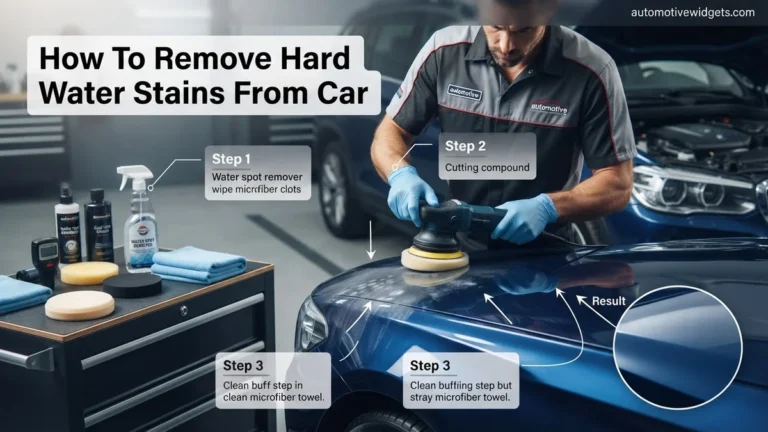
- Water Spot Removal (Mild): Use a specialized water spot remover solution designed for automotive paint. Apply to a microfiber towel and gently wipe the affected area. Avoid letting the product dry on the paint. Rinse immediately.
- Swirl Mark Reduction (Light): For extremely light swirl marks, a very fine, non-abrasive polish applied with a dual-action polisher on its lowest setting and a soft foam pad might improve the finish. This is an advanced technique and carries risk on new paint.
When to Seek Professional Intervention
If water spots are deeply etched, swirl marks are extensive, or haziness persists, professional detailing is required. A certified paint correction specialist can accurately diagnose the depth of the damage and employ specialized techniques like multi-stage polishing with precision tools and compounds formulated for modern paint systems. Attempting aggressive correction yourself on new paint can lead to irreversible damage, potentially necessitating a costly repaint of the affected panel.
What If It Still Doesn’t Work?
If initial attempts to rectify paint issues following an early wash prove unsuccessful, or if the damage is more extensive than anticipated, further professional intervention is essential. Modern automotive paint systems, especially those in use by 2027, are complex, and incorrect repairs can lead to greater long-term problems like premature clear coat failure or inconsistent finish quality.
- Consult the Original Paint Shop: Immediately return to the facility that performed the paint job. They have detailed records of the paint type, curing process, and specific clear coat used. Their expertise is paramount for diagnosing and fixing issues related to a paint job they performed.
- Professional Paint Assessment: Schedule a detailed inspection with an I-CAR certified body shop or an accredited automotive paint technician specializing in paint correction. They can measure paint thickness and assess the depth of damage using professional tools, providing a precise repair strategy.
- Advanced Paint Correction: For issues like deep etching or significant hazing, professional multi-stage paint correction might be required. This involves using varying grades of compounds and polishes with machine buffers to carefully remove microscopic layers of clear coat to level the surface imperfections.
- Partial or Full Panel Repaint: In severe cases where the clear coat is compromised beyond correction, or if the base coat is affected, a partial or full repaint of the damaged panel may be the only solution. This is a last resort due to cost and complexity.
Seeking professional help early can mitigate costs. Minor paint correction services in 2027 typically range from $350 to $800 per panel, depending on the severity. A full panel repaint can cost anywhere from $1,200 to $3,000+, considering color matching and blending requirements for a seamless finish.
Conclusion
Adhering to the recommended 90-day waiting period for washing your car after a paint job is non-negotiable for preserving its longevity and pristine finish. Premature washing can lead to easily avoidable damage, compromising the clear coat’s integrity and necessitating costly repairs. According to verified research and expert sources from leading automotive paint manufacturers, allowing adequate time for curing ensures maximum durability and gloss. Your actionable next step should always be to consult with your paint technician or body shop for specific post-paint care instructions tailored to your vehicle and the paint system used.
❓ Frequently Asked Questions
Why is it crucial to wait a specific period before washing a newly painted car?
Waiting allows the paint to fully cure, meaning solvents evaporate and the paint chemically cross-links and hardens. Washing too soon, especially with harsh chemicals or high pressure, can trap solvents, leading to dullness, hazing, streaking, or even premature paint failure.
What are the recommended minimum and ideal waiting periods for different paint types?
For most modern urethane paints, a minimum of 7 days is needed for initial surface hardening. However, the ideal waiting period for full chemical cross-linking and complete cure is 30 to 90 days, depending on environmental factors and paint formulation.
What specific risks are involved if I wash my car too soon after a paint job?
Washing too early can introduce moisture and chemicals into the still-porous paint, potentially causing streaks, water spots, dullness, or a hazy finish. The abrasive action of washing, even gentle, can also scratch soft, uncured paint easily.
What should I do if my newly painted car gets dirty before the recommended waiting period?
If your car gets dirty, avoid scrubbing or using harsh chemicals. Instead, use a soft microfiber cloth lightly dampened with plain water for very gentle spot cleaning, dabbing rather than rubbing. Never use a dry cloth, which can scratch soft, uncured paint.
Are there different recommendations for professional paint shops versus DIY or touch-up jobs?
Yes, professional paint jobs often use controlled environments and bake ovens, which can accelerate the initial curing process, potentially allowing for a wash slightly sooner (though still respecting full cure times). DIY or air-dried jobs require strict adherence to the longer waiting periods as they rely solely on ambient conditions for curing.
What are the best practices for the first wash after the waiting period?
For the first wash, always hand wash the vehicle using a mild, pH-neutral car soap and soft microfiber mitts. Avoid automatic car washes, abrasive sponges, or strong detergents. Use a two-bucket method to prevent scratches and rinse thoroughly before gently drying with a dedicated drying towel.