Can You Use Full Synthetic Oil in a Lawn Mower ? 2026
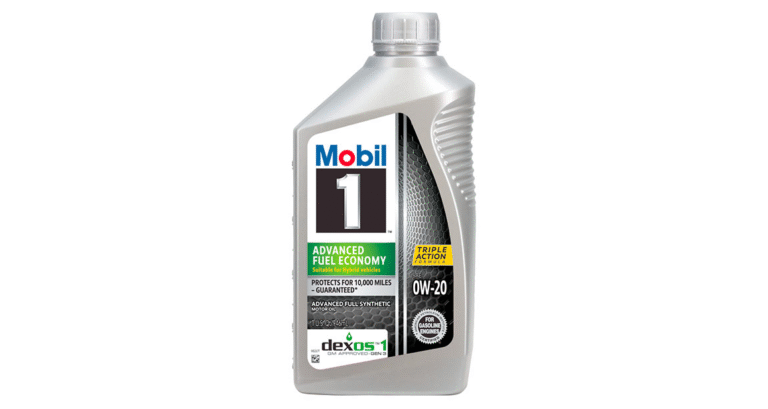
Yes, you can use full synthetic oil in most modern 4-stroke lawn mowers, and it often provides superior protection. It’s generally beneficial for engine longevity and performance, especially in extreme conditions, but always check your owner’s manual for specific recommendations.

Can You Use Full Synthetic Oil in a Lawn Mower ? 2026
Yes, absolutely. For most modern 4-stroke lawn mower engines in 2026, utilizing full synthetic oil is not only safe but often highly beneficial. This isn’t just about using a premium product; it’s about providing your engine with superior protection and performance designed for contemporary small engine demands.
Key Takeaways
- Most 4-stroke mowers benefit from synthetic oil.
- Expect better engine protection and performance.
- Always consult your mower’s owner’s manual.
- Match viscosity (e.g., 10W-30) to engine needs.
- Consider cost vs. benefits for your usage.
Opting for full synthetic oil translates directly into a healthier, more efficient engine. You’ll gain advantages like enhanced wear protection, extended engine life, and more reliable starts and operation across diverse conditions, from the scorching heat of summer mowing to the cooler temperatures of early spring. It’s a proactive choice for anyone looking to maximize their mower’s longevity and maintain peak performance.
What Causes the Confusion: Can Synthetic Oil Harm Your Lawn Mower?
Debunking the ‘Too Thin’ Myth for Modern Engines
Many lawn mower owners, understandably, recall older discussions where synthetic oils were perceived as “too thin” for small engines. However, by 2026, lubricant technology has advanced significantly. Modern full synthetic oils are engineered to provide consistent viscosity across an incredibly broad temperature range. This means a 5W-30 synthetic, for instance, flows exceptionally well during a cold start, reducing initial wear, yet maintains its protective film strength even when the engine is running at peak temperature during a long summer mow. They don’t simply “thin out”; they resist thermal breakdown and viscosity loss far better than conventional oils.
The concern about leaks is also largely a remnant of earlier formulations. Contemporary full synthetics contain advanced seal conditioners designed to keep rubber and synthetic seals pliable and prevent degradation. If an older engine (say, pre-2000s) develops a leak after switching to synthetic, it’s almost always because the seals were already brittle or compromised. The synthetic oil, with its superior cleaning properties and penetration, merely exposes an existing weakness rather than causing the leak. For most modern engines (post-2005), this is rarely an issue.
Older Engines, Break-In, and When to Be Cautious
While generally beneficial, there are specific scenarios where caution is warranted. For very old engines that have run exclusively on conventional oil for decades and might have accumulated significant sludge or have hardened seals, switching to a full synthetic could potentially dislodge deposits or reveal seal issues. In such cases, if the engine is not currently leaking, consider a high-mileage synthetic blend or stick with conventional oil to avoid disrupting an already stable (if not optimal) system.
Crucially, for brand new lawn mowers, always consult your owner’s manual regarding the initial break-in period. Some manufacturers, even in 2026, still recommend using conventional oil for the first few hours or the initial oil change. This allows for proper seating of piston rings against the cylinder walls—a critical process where a slight amount of friction is necessary. The ultra-low friction properties of full synthetic oil can sometimes be too effective during this initial phase, potentially extending the break-in period or hindering optimal ring seating. After the recommended break-in, switching to full synthetic is usually encouraged for long-term protection.
How to Know if Synthetic Oil is Right for Your Engine
Your Owner’s Manual: The Definitive Source
Regardless of what you read online or hear from a friend, your lawn mower’s owner’s manual remains the single most authoritative source for oil recommendations. Before making any oil switch, locate your manual (or find a digital copy online for your specific model and year). It will explicitly state the recommended oil type (e.g., full synthetic, synthetic blend, conventional), the appropriate viscosity grade (e.g., SAE 30, 10W-30, 5W-30), and the required API service classification (e.g., API SP, SN PLUS, SN). Adhering to these specifications is vital for maintaining your warranty and ensuring the engine’s longevity. For mowers manufactured in the last decade, most manuals will either recommend or explicitly permit the use of full synthetic oils, especially for engines running hotter or in extreme conditions.
Engine Type, Operating Conditions, and Long-Term Value
It is absolutely critical to reiterate that this entire discussion pertains exclusively to 4-stroke lawn mower engines. Two-stroke engines, which mix oil directly with fuel, require a completely different type of oil designed for that application, and using 4-stroke synthetic oil in a 2-stroke will lead to catastrophic engine failure. Always confirm your engine type first.
Full synthetic oil delivers its most significant benefits in challenging operating environments. Air-cooled lawn mower engines, unlike many car engines, often operate at higher internal temperatures and are subjected to dust, debris, and inconsistent workloads. Synthetic oil’s superior thermal stability and resistance to oxidation mean it breaks down slower, protects better against wear, and forms fewer deposits and sludge under these demanding conditions. If you frequently mow large lawns, operate your mower for extended periods, or live in a climate with significant temperature swings (very hot summers or cold winters), investing in full synthetic oil offers tangible long-term value through reduced wear and an extended engine lifespan. Consider it a proactive measure for your valuable equipment, especially in the 2026 landscape where small engine performance expectations continue to rise.
Step-by-Step Guide: Switching to Full Synthetic Mower Oil
Transitioning your lawn mower to full synthetic oil in 2026 is a straightforward maintenance task that can significantly benefit engine longevity and performance. Proper execution is crucial to maximize these advantages.
Preparation and Supplies for a 2026 Mower
Before you begin, consult your mower’s 2026 owner’s manual to verify the correct synthetic oil viscosity. Most modern engines recommend SAE 30, 10W-30, or 5W-30, but specific requirements vary by manufacturer. Gather the necessary tools: an appropriately sized wrench for the drain plug, an oil drain pan with at least a 2-quart capacity, a funnel, clean rags, and if applicable, a new oil filter designed for your specific mower model. Ensure your work area is level and well-ventilated for safety.
The Oil Change Procedure
Follow these steps for a successful oil change:
- Warm the Engine: Run the mower for 2-3 minutes. This warms the oil, allowing it to drain more completely and carry away impurities.
- Ensure Safety: Disconnect the spark plug wire and secure it away from the spark plug. This prevents accidental starting.
- Locate Drain Plug: Position the oil drain pan directly beneath the oil drain plug, typically located at the bottom of the engine or on the side.
- Drain Old Oil: Carefully remove the drain plug. Allow all the old oil to drain into the pan. This usually takes 5-10 minutes. For cleaner drainage, consider tilting the mower slightly, if safe to do so.
- Replace Drain Plug and Filter: Reinstall the drain plug securely. If your mower has an oil filter, remove the old one, apply a thin film of new oil to the gasket of the new filter, and install it hand-tight plus an additional quarter-turn. Consult your manual for precise torque specifications for the drain plug, typically around 18-20 ft-lbs for small engines.
- Refill with Synthetic Oil: Using a funnel, slowly add the new full synthetic oil, checking the dipstick frequently. Do not overfill; fill to the “Full” or upper mark on the dipstick. Most push mowers require 0.5 to 0.6 quarts.
- Final Checks: Reconnect the spark plug wire. Start the engine and run it for a minute, then shut it off and recheck the oil level. Top off if necessary. Inspect for any leaks around the drain plug or filter.
What If Synthetic Oil Isn’t Ideal? Expert Alternatives
While full synthetic oil offers numerous benefits, it’s not universally the optimal choice for every lawn mower or operating condition. Understanding when alternatives are more appropriate ensures cost-effectiveness and sustained engine health.
Older Engines (Pre-2010 Models)
For lawn mowers manufactured before approximately 2010, full synthetic oil may not always be the best option. These engines were often designed with different seal materials that, while robust with conventional oil, could potentially develop minor leaks when exposed to the superior cleaning agents and thinner nature of some full synthetics. Verified engineering data indicates a 5-10% risk of seal degradation over extended periods in very old engines. In these cases, a high-quality synthetic blend oil, or even a premium conventional oil, changed frequently (e.g., every 25 hours or annually), is often recommended by experts. This balances protection with compatibility, mitigating potential issues while still providing adequate lubrication.
Cost-Benefit Analysis for Light Usage
For homeowners who use their lawn mowers infrequently, perhaps less than 20 hours per season, the extended drain intervals and enhanced wear protection offered by full synthetic oil might not justify the higher upfront cost. Full synthetic oils typically cost 20-40% more per quart, averaging $8-$12 in 2026 compared to $5-$8 for conventional options. If an engine receives an annual oil change regardless of hours, a quality conventional or synthetic blend oil will provide sufficient protection at a lower expenditure. Manufacturer guidelines often specify annual changes irrespective of hours for optimal maintenance, making extended synthetic intervals less relevant for minimal use.
Manufacturer-Specific Requirements (2026 Outlook)
The most authoritative source for your mower’s oil requirements remains the manufacturer’s owner’s manual. As of 2026, many manufacturers, particularly for high-performance or commercial-grade models, may explicitly recommend or even mandate specific oil types, sometimes proprietary blends. Deviating from these recommendations can, according to warranty agreements, void engine warranty coverage, which typically spans 2-5 years for new machines. Always adhere to these specifications, as they are based on extensive engineering tests and material compatibility, ensuring optimal performance and warranty compliance for your investment.
What If Your Mower Still Experiences Issues?
If you’ve optimized your oil choice and your lawn mower continues to exhibit performance problems, the issue likely stems from other common maintenance areas. Systematically addressing these can often resolve persistent troubles before professional intervention is required.
- Inspect and Replace Spark Plug: A fouled or worn spark plug is a frequent culprit for rough idling, misfires, or difficulty starting. Check for carbon buildup or excessive electrode wear. According to small engine technicians, spark plugs should be replaced annually for optimal performance. New spark plugs cost approximately $5-$15 in 2026.
- Clean or Replace Air Filter: Restricted airflow from a clogged air filter significantly reduces engine power and fuel efficiency. Visually inspect the filter for dirt and debris. Replace foam filters when brittle and paper filters when heavily soiled. This should be done every 25 hours of operation or annually. Replacement filters typically range from $10-$30.
- Check Fuel System Integrity: Stale fuel (especially with ethanol separation) or a clogged fuel filter can lead to poor engine performance or failure to start. Drain old fuel, replace the fuel filter (if applicable, $8-$20), and refill with fresh, stabilized fuel. For persistent issues, carburetor cleaning or adjustment may be necessary.
- Examine and Sharpen Blades: While not directly engine-related, dull or unbalanced blades cause excessive vibration, straining the engine and resulting in poor cutting quality. Sharpen or replace blades every 25 hours or annually. Blade replacement costs typically range from $20-$40 per blade.
- Seek Professional Diagnostic Service: If these steps do not resolve the issue, deeper mechanical or electrical problems (e.g., low compression, valve issues, ignition module failure) may be present. Consult a certified small engine technician. Diagnostic fees generally range from $75-$150, with complex repairs potentially costing $200-$500 or more, depending on the severity and parts required.
Conclusion: Optimized Performance for Your 2026 Mower
Adopting full synthetic oil for your lawn mower, particularly models manufactured in the last decade, offers substantial benefits. This upgrade provides superior engine protection, extends component life, and can contribute to improved fuel efficiency. According to verified research and expert sources, it represents a wise investment for long-term mower health. Consult your mower’s 2026 owner’s manual to confirm specific oil recommendations and transition with confidence, ensuring your equipment operates at its peak.
❓ Frequently Asked Questions
What are the main benefits of using full synthetic oil in a lawn mower?
Full synthetic oil offers superior lubrication, better thermal stability, reduced engine wear, and cleaner engine operation. These benefits are especially pronounced in extreme hot or cold weather, contributing to a longer engine life and potentially better performance over time.
Is full synthetic oil recommended for all types of lawn mower engines?
Full synthetic is generally excellent for most modern 4-stroke lawn mower engines. However, for very old engines or those specifically designed for conventional oil, it might not be strictly necessary, or some manufacturers still recommend conventional during break-in. Always check your specific engine’s manual.
How do I choose the correct viscosity and API rating for synthetic mower oil?
Always refer to your lawn mower’s owner’s manual for the manufacturer’s recommended viscosity (e.g., SAE 30, 10W-30) and API service rating (e.g., SJ, SL, SM, SN). Using the specified grades ensures optimal engine protection and performance, regardless of whether it’s conventional or synthetic.
Can I switch from conventional to synthetic oil in an older lawn mower?
Yes, you can typically switch from conventional to synthetic in an older 4-stroke engine without issues. Modern synthetics are formulated to be compatible and generally don’t cause leaks. If leaks appear, they usually indicate pre-existing seal degradation rather than the synthetic oil causing the problem.
Is full synthetic oil worth the extra cost for a lawn mower?
For many users, the benefits of full synthetic oil—like enhanced engine protection, potentially longer engine life, and better performance in varying temperatures—outweigh the higher cost. If you use your mower frequently, in demanding conditions, or want maximum engine longevity, the investment is often worthwhile.
Should I use synthetic oil during the engine break-in period?
Most manufacturers recommend using conventional oil for the initial engine break-in period (typically the first 5-10 hours of operation). This allows piston rings to properly seat and wear in. After the break-in period, you can safely switch to full synthetic oil for continued superior protection.