
Does Changing Transmission Fluid Improve Performance: Essential Benefits
Have you ever wondered if changing your transmission fluid can actually boost your car’s performance? You might think it’s just routine maintenance, but the truth could surprise you.
Your transmission fluid plays a crucial role in how smoothly your vehicle shifts gears and handles power. If it’s old or dirty, your car might not be running as well as it could. Keep reading to find out how a simple fluid change might make your ride smoother, more efficient, and even extend your transmission’s life.
You don’t want to miss these key insights that could save you money and improve your driving experience.
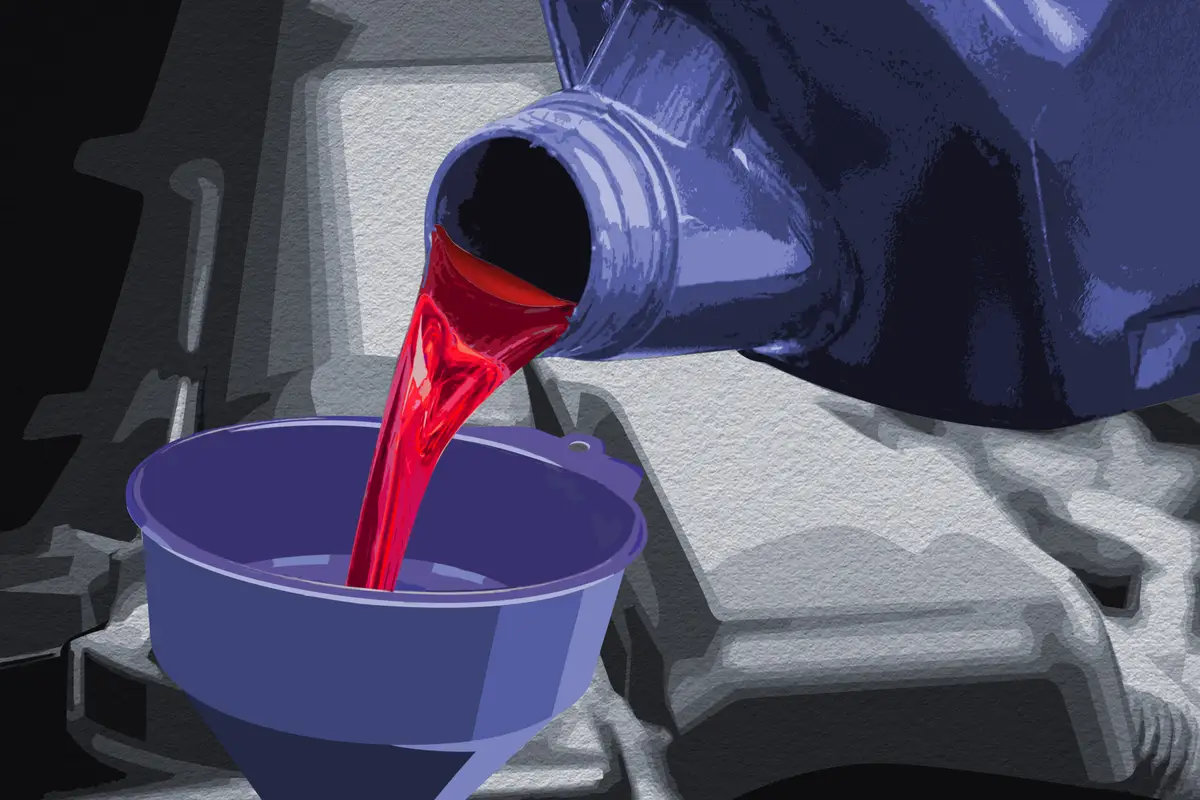
Credit: www.cars.com
Role Of Transmission Fluid
Transmission fluid keeps your vehicle’s transmission cool and clean. Changing it can help improve shifting and reduce wear. Fresh fluid supports smoother performance and longer transmission life.
What Is Transmission Fluid?
Transmission fluid is a special liquid inside your vehicle’s transmission. It helps the transmission work smoothly. The fluid keeps the gears moving without friction or damage. It also cools the transmission to stop it from overheating.
How Transmission Fluid Protects Your Transmission
The fluid forms a thin layer between metal parts. This layer stops metal parts from rubbing directly. Without this protection, parts wear out fast and cause damage. The fluid also cleans away small bits of metal and dirt. This keeps the inside of the transmission clean and safe.
Transmission Fluid And Gear Shifting
Transmission fluid helps gears change smoothly. It acts as a hydraulic fluid that moves parts inside the transmission. Good fluid makes gear shifts quick and smooth. Old or dirty fluid can cause rough or delayed shifting. This affects how well your car drives.
Transmission Fluid’s Role In Cooling
Transmission parts create heat during use. Too much heat can break the transmission. The fluid absorbs this heat and moves it away. This cooling helps the transmission last longer. Without enough fluid or with bad fluid, overheating happens more easily.
Signs Of Old Transmission Fluid
Transmission fluid keeps your car’s transmission running smoothly. Over time, this fluid gets old and loses its effectiveness. Recognizing the signs of old transmission fluid helps avoid serious problems. It can also improve your car’s performance if you act early.
Dark Or Dirty Fluid
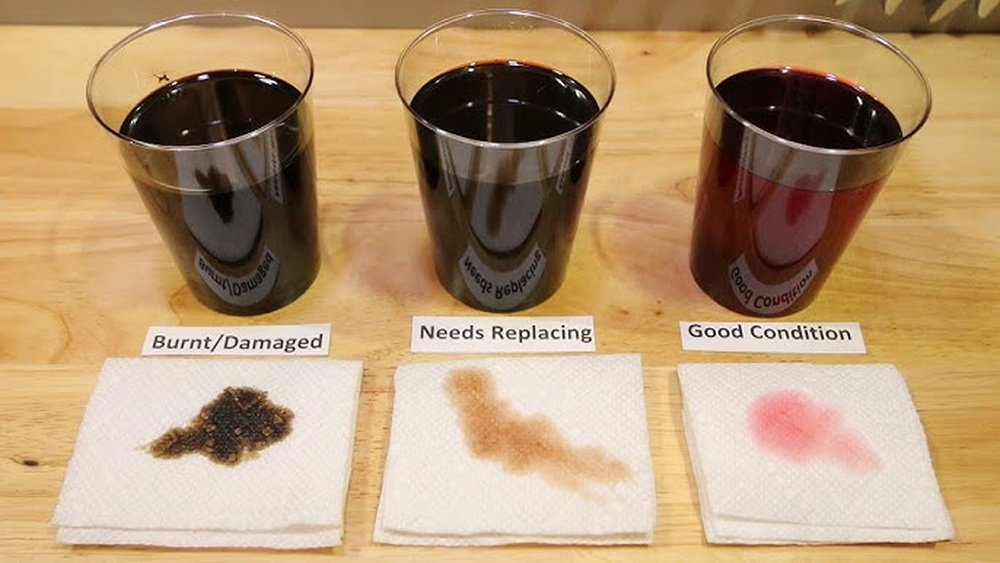
Fresh transmission fluid is bright red or pink. As it ages, it turns darker and looks dirty. Dark fluid means it has burnt or collected debris. This reduces its ability to lubricate and cool the transmission parts.
Burning Smell
Old transmission fluid often smells burnt. This happens when the fluid overheats and breaks down. A burning smell inside your car is a clear warning. It suggests the fluid needs to be changed immediately.
Slipping Gears
If your car’s gears slip or hesitate, old fluid might be the cause. Worn fluid can’t keep the right pressure in the transmission. This leads to poor gear shifts and uneven power delivery while driving.
Delayed Shifting
When you notice delays in gear changes, it signals worn transmission fluid. The fluid loses its ability to flow properly. This causes hesitation and rough shifts, making your ride less smooth.
Transmission Overheating
Overheating happens when old fluid fails to cool the transmission. The heat damages internal parts and worsens performance. Regular fluid checks help prevent this issue early on.
How Fluid Affects Transmission Performance
Changing transmission fluid can help your car run smoother and shift gears better. Old or dirty fluid may cause rough shifts and reduce performance. Regular fluid changes keep the transmission clean and working well.
How Transmission Fluid Lubricates Moving Parts
Transmission fluid acts as a lubricant for gears and other parts inside the transmission. Without proper lubrication, parts wear out faster. This can cause rough shifting and noise.
Clean, fresh fluid reduces friction and heat. It helps parts move smoothly and last longer. Thick or dirty fluid can slow down the transmission.
How Fluid Cools The Transmission
The transmission generates heat during operation. Transmission fluid carries heat away from the moving parts. This cooling prevents damage from overheating.
Old or degraded fluid loses its ability to cool well. Overheated parts can lead to poor performance and costly repairs. Good fluid keeps temperatures in check.
How Fluid Supports Hydraulic Pressure
Transmission fluid creates the hydraulic pressure needed for shifting gears. Proper pressure ensures smooth and timely gear changes.
Dirty or low fluid can cause pressure drops. This leads to slipping gears or delayed shifts. Maintaining fluid quality helps maintain proper pressure.
Benefits Of Regular Fluid Changes
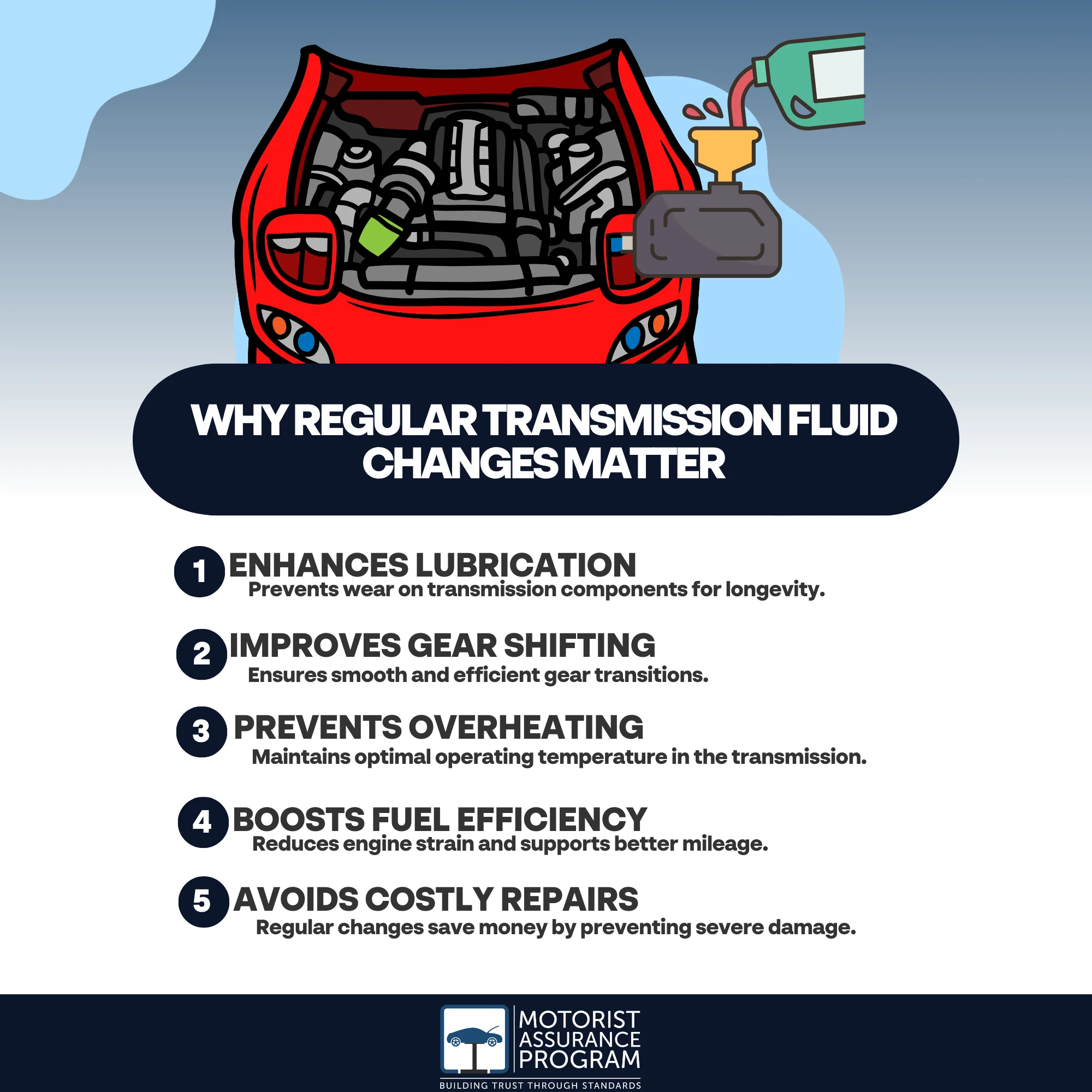
Changing transmission fluid keeps your vehicle running smoothly. It helps prevent wear and reduces overheating. Clean fluid improves shifting and extends transmission life.
Improves Transmission Efficiency
Fresh transmission fluid helps your vehicle shift gears smoothly. Old fluid gets dirty and thick. This causes the transmission to work harder. Changing fluid regularly keeps parts lubricated and reduces friction. Your transmission runs better and uses less energy.
Extends Transmission Life
Clean fluid protects transmission parts from wear. Dirt and debris in old fluid cause damage over time. Regular fluid changes remove harmful particles. This lowers the chance of costly repairs. Your transmission lasts longer with proper care.
Prevents Overheating
Transmission fluid cools the system during operation. Old fluid loses its cooling power. This can lead to overheating and damage. Changing fluid keeps temperatures down. Your transmission stays safe and performs well.
Reduces Repair Costs
Regular fluid changes catch problems early. Clean fluid prevents buildup that causes malfunctions. Avoid expensive repairs by maintaining fluid quality. This saves money and keeps your car reliable.
Risks Of Neglecting Fluid Replacement
Transmission fluid is vital for your vehicle’s smooth operation. Neglecting fluid replacement leads to serious risks. Over time, the fluid loses its ability to protect the transmission parts. This causes damage and poor performance.
Dirty or low transmission fluid causes overheating. Heat breaks down the fluid and harms components inside the transmission. This can lead to costly repairs or even total failure.
Increased Wear And Tear
Old transmission fluid fails to lubricate moving parts properly. This causes metal parts to rub and wear out faster. Increased friction leads to early component failure and rough shifting.
Overheating Issues
Transmission fluid cools the system by removing heat. When fluid is old or low, it cannot cool well. Overheating causes seals to crack and metal parts to warp, damaging the transmission.
Poor Shifting Performance
Dirty fluid thickens and clogs the transmission system. This results in delayed or rough gear shifts. The vehicle may hesitate or jerk during acceleration.
Costly Repairs And Breakdowns
Ignoring transmission fluid changes increases the chance of major damage. Repairing or replacing a transmission is expensive. Regular fluid replacement helps avoid these high costs.

Credit: rymax-lubricants.com
Choosing The Right Transmission Fluid
Choosing the right transmission fluid is key to keeping your vehicle running smoothly. The fluid helps cool and lubricate the transmission parts. Using the wrong type can cause damage or poor performance. It is important to pick the fluid that fits your car’s make and model.
Many cars need specific fluid types. Check your owner’s manual for the recommended kind. Some vehicles use automatic transmission fluid (ATF), while others use manual transmission fluid. Each type has different properties and additives.
Understanding Transmission Fluid Types
Transmission fluids come in many types. Some common ones include Dexron, Mercon, and synthetic fluids. Each type works best in certain transmissions. Using the right type keeps parts moving well and prevents wear.
Reading Your Owner’s Manual
The owner’s manual shows the exact fluid your car needs. It lists the grade and specifications. Following these guidelines helps maintain your transmission’s health. Do not guess or use a fluid just because it looks similar.
Checking Fluid Quality And Condition
Good transmission fluid is clean and clear. Dark or burnt-smelling fluid means it needs changing. Fresh fluid improves shifting and reduces heat. Regular checks keep your transmission in top shape.
Credit: motorist.org
Frequently Asked Questions
How Often Should Transmission Fluid Be Changed For Best Performance?
Transmission fluid should generally be changed every 30,000 to 60,000 miles. Check your vehicle’s manual for specific intervals. Regular changes keep the transmission running smoothly.
Can Dirty Transmission Fluid Cause Poor Vehicle Performance?
Yes, dirty fluid can cause slipping and rough shifting. It reduces lubrication and leads to overheating. Clean fluid helps the transmission work properly.
Does Changing Transmission Fluid Improve Fuel Efficiency?
Clean transmission fluid can reduce friction inside the transmission. This helps the engine work less hard, saving fuel. Old fluid can lower your car’s fuel economy.
What Are Signs That Transmission Fluid Needs Changing?
Look for delayed shifting, strange noises, or fluid darkening. A burning smell or leaks also indicate problems. Timely fluid changes prevent serious transmission damage.
Can Changing Transmission Fluid Fix Transmission Problems?
Changing fluid can solve minor issues like slipping or rough shifts. It won’t fix major mechanical problems. Regular fluid changes help maintain overall transmission health.
Conclusion
Changing transmission fluid can help keep your car running smoothly. Clean fluid reduces friction and heat inside the transmission. This can lead to better shifting and less wear on parts. Old fluid can cause slipping or rough changes. Regular fluid changes protect your transmission and may improve fuel efficiency.
Check your car’s manual for the right schedule. Small efforts like this can save money on costly repairs. It’s a simple step to maintain your car’s health. Don’t wait until problems start. Keep your transmission fluid fresh for better performance.