
How to Get Rid of Scratches on Plastic Car Interior: Easy Fixes
Scratches on your plastic car interior can be frustrating to see every time you get in your vehicle. They make your car look worn out and less cared for, even if you keep it clean.
But don’t worry—these scratches don’t have to be permanent. You’ll discover simple and effective ways to erase those marks and restore your car’s interior to looking almost new again. Keep reading, and you’ll learn easy steps that save you time and money while giving your car that fresh, smooth finish you want.
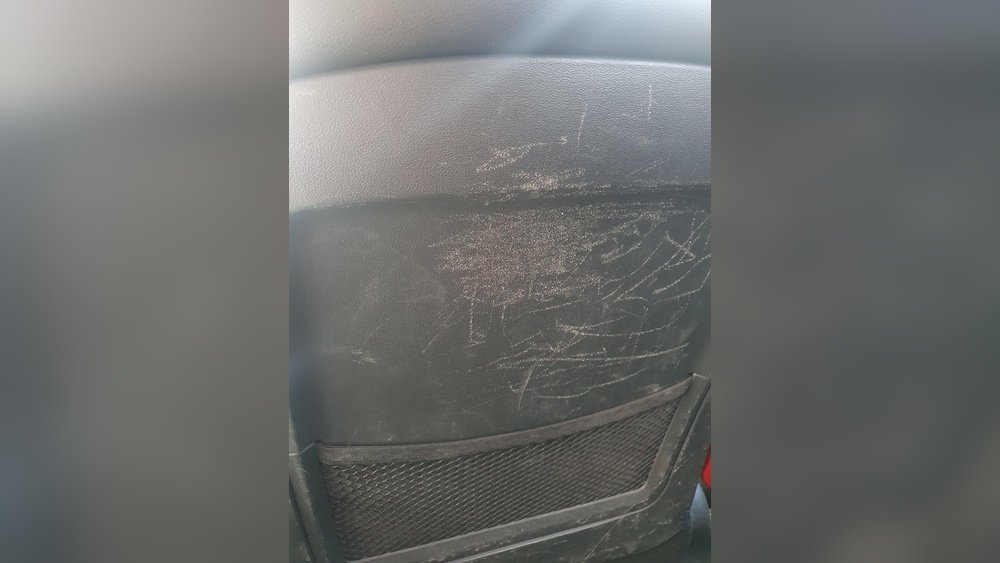
Common Causes Of Interior Plastic Scratches
Scratches on plastic car interiors happen more than you think. They make your car look old and worn out. Knowing the common causes helps you avoid them. Protect your car’s inside by understanding what causes these scratches.
Scratches From Keys And Jewelry
Keys and jewelry often scratch plastic surfaces. When you place keys on the dashboard or touch the plastic while wearing rings, scratches can appear. These small items have hard edges that leave marks easily.
Damage From Sharp Objects
Sharp tools or objects like pens, knives, or screwdrivers can cause deep scratches. These items may slip or be placed carelessly inside the car. Always store sharp items safely to prevent damage.
Wear And Tear From Daily Use
Daily use causes tiny scratches over time. Touching plastic surfaces, sliding in and out of the seat, or moving items can create small marks. These scratches slowly build up and become visible.
Cleaning With Rough Materials
Using rough cloths or brushes can scratch plastic. Harsh scrubbing or abrasive cleaning tools damage the surface easily. Use soft, non-abrasive cloths to clean plastic parts gently.
Exposure To Sunlight And Heat
Sunlight and heat make plastic brittle and weak. Brittle plastic is more likely to scratch or crack. Park in the shade or use a sunshade to protect your interior surfaces.

Credit: www.reddit.com
Tools And Materials Needed
Fixing scratches on your car’s plastic interior needs the right tools and materials. Using proper items makes the repair easier and better. You can avoid causing more damage by preparing well.
Gather everything before starting. This saves time and helps you work smoothly. Below are the key tools and materials to have on hand.
Soft Microfiber Cloths
Use soft microfiber cloths for cleaning and buffing. They prevent extra scratches and hold polish well. Avoid rough fabrics that can harm the plastic surface.
Plastic Cleaner
A gentle plastic cleaner removes dirt and grease. Clean surfaces help the repair products stick better. Choose a cleaner made for car interiors to avoid damage.
Fine Sandpaper
Fine sandpaper, like 600 to 1000 grit, smooths deep scratches. Use it carefully to avoid over-sanding. Wet sanding is often better to reduce dust and heat.
Plastic Polish Or Scratch Remover
Special plastic polish or scratch remover helps erase light scratches. Apply it with a cloth and rub gently. These products restore shine and blend minor marks.
Plastic Filler Or Repair Kit
For deeper scratches or gouges, a plastic filler or repair kit may be needed. Follow the instructions carefully for best results. These kits fill in damage and create a smooth finish.
Protective Gloves
Wear protective gloves to keep your hands clean and safe. Some cleaners and fillers contain chemicals that irritate skin. Gloves help avoid contact and make the job safer.
Diy Methods For Removing Light Scratches
Light scratches on plastic car interiors can be annoying but easy to fix. Many DIY methods help restore the smooth look without costly repairs. These simple steps use common tools and materials you may already have.
Using these techniques saves time and keeps your car interior looking fresh. Try gentle methods first to avoid damage. Here are some effective ways to remove light scratches yourself.
Using Heat To Smooth Scratches
Heat softens plastic, helping scratches fade. Use a hairdryer on low heat and hold it a few inches from the scratch. Move the dryer slowly over the area for about 30 seconds.
The heat makes the plastic flexible and helps the scratch blend in. Avoid high heat or direct contact to prevent melting. Let the surface cool naturally for best results.
Applying Plastic Polish
Plastic polish removes fine scratches and restores shine. Apply a small amount of polish to a soft cloth. Rub the scratched area gently in circular motions.
Keep rubbing for a few minutes until the scratch lessens. Wipe off excess polish with a clean cloth. Repeat if needed but avoid over-polishing, which can dull the surface.
Household Remedies That Work
Some household items can reduce light scratches. Toothpaste with baking soda works as a mild abrasive. Apply a small dab on a soft cloth and rub the scratch gently.
Use a damp cloth to clean off the residue afterward. Another option is using vegetable oil to fill and hide minor scratches. Dab a tiny amount on the scratch and buff with a cloth.
These remedies are cheap and easy but test on a small spot first to avoid damage.
Fixing Deep Scratches And Gouges
Deep scratches and gouges on plastic car interiors need more than just a quick wipe. These damages can look rough and may worsen over time if not treated. Fixing them requires care and some basic tools. This section explains how to fill and smooth deep scratches effectively. It also covers using touch-up paint to restore the original look.
Filling And Sanding Techniques
Start by cleaning the area with mild soap and water. Let it dry completely. Use a plastic filler or putty designed for car interiors. Apply it carefully into the scratch or gouge. Use a small spatula or a plastic card to spread the filler evenly. Let the filler dry fully, following the product instructions.
Once dry, use fine-grit sandpaper (around 400 to 600 grit) to smooth the surface. Sand gently in a circular motion until the filler is flush with the surrounding plastic. Wipe away dust with a clean, damp cloth. Repeat sanding if needed for a smooth finish.
Using Touch-up Paint
Choose touch-up paint that matches your car’s interior color. Test the paint on a hidden spot first to check the color match. Apply thin layers of paint on the repaired area using a small brush. Allow each layer to dry before applying the next. This helps prevent drips and uneven coverage.
After the final coat dries, gently buff the area with a soft cloth. This blends the paint with the rest of the interior. The repaired spot will look neat and less noticeable. This simple step improves the overall look of your car’s interior significantly.
Preventing Future Scratches On Plastic Surfaces
Preventing future scratches on plastic surfaces keeps your car interior looking new. Plastic parts can easily get scratched during daily use. Taking simple steps stops damage before it starts.
Clean surfaces gently and regularly. Dirt and dust can cause tiny scratches over time. Use a soft cloth and mild cleaner made for plastic.
Use Protective Covers And Mats
Place covers on seats and mats on floors to reduce wear. They act as a barrier between plastic and sharp objects. This reduces the risk of scratches from keys, tools, or shoes.
Avoid Sharp Objects Near Plastic
Keep keys, pens, and other sharp items away from plastic parts. Store them safely in compartments or bags. Careful handling lowers chances of accidental scratches.
Apply Plastic Protectants
Use plastic protectants to add a thin protective layer. These products help repel dust and minor abrasions. Follow product instructions for best results and reapply regularly.
Park In Shaded Or Covered Areas
Sunlight can weaken plastic surfaces and make scratches more visible. Parking under shade or in a garage helps preserve the plastic’s look. It also prevents fading and cracking.
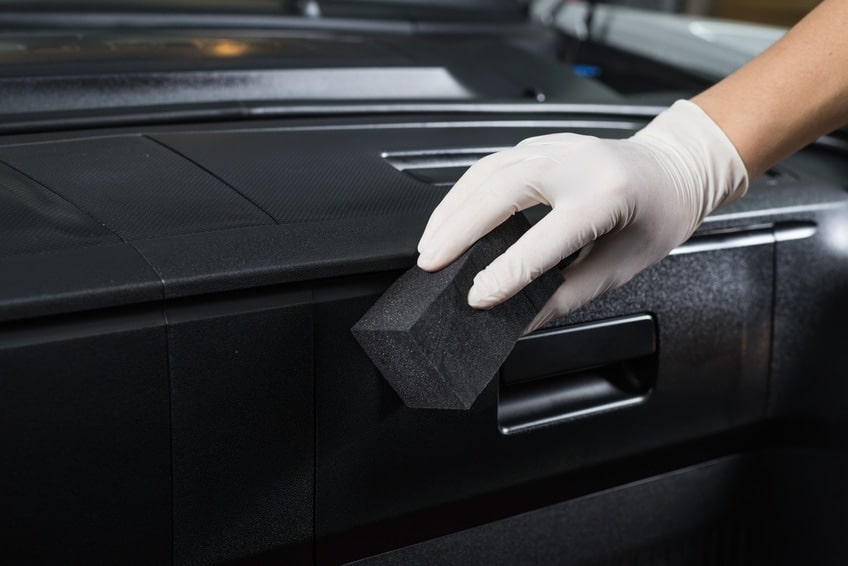
Handle With Care During Cleaning
Use soft sponges or microfiber cloths for cleaning. Avoid abrasive pads or harsh chemicals that can scratch plastic. Gentle cleaning protects the surface and extends its life.
Credit: www.holtsauto.com

Credit: www.ifixit.com
Frequently Asked Questions
How Can I Remove Light Scratches From Plastic Car Interiors?
Use a soft cloth with a mild plastic polish or toothpaste. Rub gently in circular motions until scratches fade. Clean the area with a damp cloth afterward.
What Household Items Help Fix Plastic Car Interior Scratches?
Toothpaste and baking soda work well for light scratches. Mix with water to make a paste, then gently rub on the scratch. Wipe clean with a damp cloth.
Can Heat Help Reduce Scratches On Plastic Car Interiors?
Yes, a hairdryer on low heat can soften the plastic slightly. Warm the scratched area carefully, then use a soft cloth to buff the scratch. Avoid overheating to prevent damage.
Should I Use Commercial Plastic Scratch Removers For Car Interiors?
Commercial plastic scratch removers can be effective on deeper scratches. Follow product instructions carefully and test on a small area first. Always clean the surface before applying.
Conclusion
Scratches on your car’s plastic interior can be fixed with simple steps. Use gentle cleaning and repair methods to protect the surface. Small scratches often disappear with household items or plastic polish. Avoid harsh tools that may cause more damage.
Regular care keeps your car’s interior looking fresh and neat. Taking time to fix scratches improves your car’s value and comfort. Keep these tips handy for easy maintenance. Your car will thank you with a clean, smooth look.