How Long Can You Drive with a Bad Transmission? Expert 2027
Driving with a bad transmission is highly risky and generally not advisable. While you might manage a very short distance, continuing to drive significantly increases the risk of complete vehicle breakdown, exponentially higher repair costs, and safety hazards on the road. Immediate attention is crucial.
If you’re asking “how long can I drive with a bad transmission?”, the straightforward answer is: you shouldn’t drive it at all, or only for the absolute shortest distance required to get to a safe stopping point or mechanic. Continuing to drive with a faulty transmission in 2027 isn’t just risky; it’s a gamble with your safety, your finances, and the integrity of your vehicle. Ignoring the warning signs almost guarantees a complete breakdown, potentially leaving you stranded or, worse, causing a dangerous road incident.
Your car’s transmission is one of its most complex and vital components. Any sign of trouble demands immediate attention. Postponing repairs will undoubtedly escalate a potentially manageable issue into a catastrophic, wallet-draining problem. Understanding the immediate dangers and what your vehicle is telling you can save you thousands of dollars and prevent critical safety hazards on the road.
Key Takeaways
- Driving with a bad transmission is unsafe and risky.
- Risk of total failure increases exponentially with driving.
- Stop driving immediately; seek professional diagnosis.
- Early diagnosis prevents far costlier future repairs.
- Towing your vehicle is often the safest and best option.
What are the Risks & Symptoms of Driving with a Bad Transmission?
Immediate Dangers and Cost Escalation
Driving with a compromised transmission puts you in immediate peril. Imagine merging onto a busy highway or attempting an overtake only for your transmission to suddenly lose all power, leaving you a sitting duck in traffic. This isn’t just an inconvenience; it’s a severe accident waiting to happen, potentially involving other vehicles and leading to significant injuries. A failing transmission can also lock up or refuse to shift, causing unpredictable vehicle behavior and a complete loss of control. By 2027, the average cost for a full transmission replacement in a modern vehicle can easily range from $4,000 to $7,000 or even higher, particularly for specialized or premium models. What might have been a $500 sensor replacement or a $1,500 fluid leak repair can quickly spiral into a total unit overhaul if you continue to drive, spreading metal shavings throughout the system or overheating critical components to destruction.
Warning Signs: What to Look For
Your vehicle often communicates transmission problems before total failure. Pay close attention to these critical symptoms. If your car experiences “slipping” gears, where the engine revs but the car doesn’t accelerate proportionally, it indicates severe internal wear and a high risk of sudden failure. “Grinding” or clunking sounds, especially during shifts or when accelerating, are metallic alarms signaling metal-on-metal contact and rapid, irreversible damage. Any visible fluid leaks (reddish or brownish fluid under your car) mean a loss of essential lubrication and cooling, leading to overheating and imminent component failure. Delayed engagement (a significant pause when shifting from Park to Drive or Reverse) or harsh, jolting shifts also point to internal problems that worsen with every mile driven. Furthermore, never ignore a “Check Engine” or transmission warning light; these are urgent calls for professional diagnosis.
How to Identify & Assess Transmission Damage: A Real Guide
Severity Matters: Understanding Your Specific Issue
The perceived “how long” you can drive depends almost entirely on the specific type and severity of your transmission issue, and frankly, most issues are far too severe for continued driving. A minor, intermittent sensor fault might allow for a very short, careful drive to the nearest mechanic in “limp home” mode, but even then, it’s a gamble. Conversely, symptoms like grinding gears, major fluid leaks, or complete loss of a gear indicate extensive mechanical damage. In these cases, every single rotation of the wheels causes further, irreparable harm. You might think you’re saving on a tow, but you’re actually destroying more components, contaminating the entire transmission with debris, and ensuring a more expensive repair – or even necessitating a complete transmission swap – than if you had stopped driving immediately. Only a professional mechanic using specialized diagnostic tools can accurately assess the extent of the damage and advise if even a short drive is permissible.
Driving Habits and Acceleration of Failure
Your driving habits directly accelerate the demise of an already faulty transmission. Aggressive driving, rapid acceleration, hard braking, or frequent heavy loads (like towing a trailer or carrying excessive weight) place immense stress on the transmission. This stress generates excessive heat, which is the primary enemy of transmission fluid and internal components. Stop-and-go city driving, with its constant shifting and torque converter engagement, is far more taxing than steady highway cruising on a failing unit. Even “careful” driving might not prevent further damage if the underlying issue is mechanical wear or fluid starvation. For example, if you have a slow leak, the fluid level continuously drops, leading to increased friction and overheating regardless of your gentle driving. By 2027, advanced transmissions are more sensitive to these conditions, and continuing to drive with an issue rapidly compounds the internal stress, accelerating the timeline from a repairable issue to a total breakdown.
What to Do When Your Transmission is Failing: Step-by-Step Actions
When you first detect signs of transmission trouble, prompt action can prevent further damage and potentially save significant repair costs. Ignoring early warnings risks catastrophic failure, rendering your vehicle immobile. Automotive experts universally advise immediate attention.
Early Detection and Diagnosis
- Check Transmission Fluid Levels and Quality: Pull over safely and check the transmission fluid. Refer to your vehicle’s 2027 owner’s manual for the correct procedure. Low fluid levels or dark, burnt-smelling fluid are critical indicators of an issue.
- Listen for Unusual Noises: Pay close attention to grinding, clunking, or humming sounds when shifting gears or driving. These noises often signal internal mechanical wear or lubrication problems.
- Observe Shifting Behavior: Note any delays in engagement, harsh shifts, or slipping. Modern vehicle diagnostics in 2027 often log these anomalies, aiding technicians.
- Consult a Qualified Mechanic: Do not delay. According to a 2026 report by the Automotive Service Association (ASA), early diagnosis can reduce repair costs by up to 25% compared to addressing advanced failures. Seek professional inspection immediately.
Temporary Measures for Limping Home
If professional help isn’t instantly available, and your vehicle is exhibiting minor symptoms, consider these temporary, short-distance strategies:
- Drive Gently and Slowly: Avoid rapid acceleration, sudden braking, or high speeds. Maintain a consistent, low speed to minimize stress on the failing components.
- Limit Gear Shifts: If possible, try to stay in a single gear or avoid situations requiring frequent upshifts and downshifts. This reduces the mechanical load on the transmission clutch packs or bands.
- Avoid Hills and Heavy Loads: Uphill driving and hauling heavy cargo significantly strain the transmission. Postpone such activities until the issue is resolved.
- Monitor Dashboard Warning Lights: The “Check Engine” light or specific transmission warning indicators are crucial. If these illuminate or flash, it signals a severe problem requiring immediate shutdown.
What If Your Car Still Won’t Drive Safely? Next Steps
There are scenarios where the transmission failure is too significant for any temporary measures. Attempting to drive under these conditions is exceptionally dangerous and can cause irreparable harm to your vehicle and other road users. According to 2027 safety guidelines from major automotive manufacturers, certain symptoms necessitate immediate towing.
When to Stop Driving Immediately
- Vehicle Enters “Limp Mode”: Modern vehicles automatically activate “limp mode” when severe transmission issues are detected. This restricts speed and power to prevent further damage. If your car enters this mode, driving is strictly for reaching the nearest safe pull-off point, not your destination.
- Complete Loss of Drive: If your car suddenly stops moving, even with the engine running and gear engaged, the transmission has likely failed catastrophically. Do not attempt to force it. This is a clear indicator for immediate towing.
- Loud Grinding or Clunking: Severe mechanical noises, particularly during gear changes or when attempting to accelerate, suggest components are disintegrating. Continuing to drive will exacerbate the damage and can lock up the transmission, leading to a loss of control.
- Smoke or Burning Smell: These are critical signs of overheating transmission fluid or internal component friction. Pull over immediately and turn off the engine. Overheating can quickly destroy the transmission entirely.
Arranging for Professional Transport
- Contact Roadside Assistance: Utilize your vehicle’s warranty, insurance policy, or a third-party service like AAA. Ensure they understand the vehicle is non-drivable due to a transmission issue, as this may require specific towing equipment (e.g., flatbed).
- Specify a Reputable Transmission Specialist: Inform the tow truck operator of your preferred destination. A specialized transmission shop in 2027 will possess the advanced diagnostic tools and expertise required for complex transmission repairs, which general mechanics may lack.
What If It Still Doesn’t Work? Advanced Troubleshooting & Professional Intervention
If basic diagnostics and temporary measures haven’t resolved your transmission issues, or if initial repairs prove ineffective, a more intensive approach is required. Professional expertise becomes indispensable at this stage to prevent escalating costs or dangerous operational conditions.
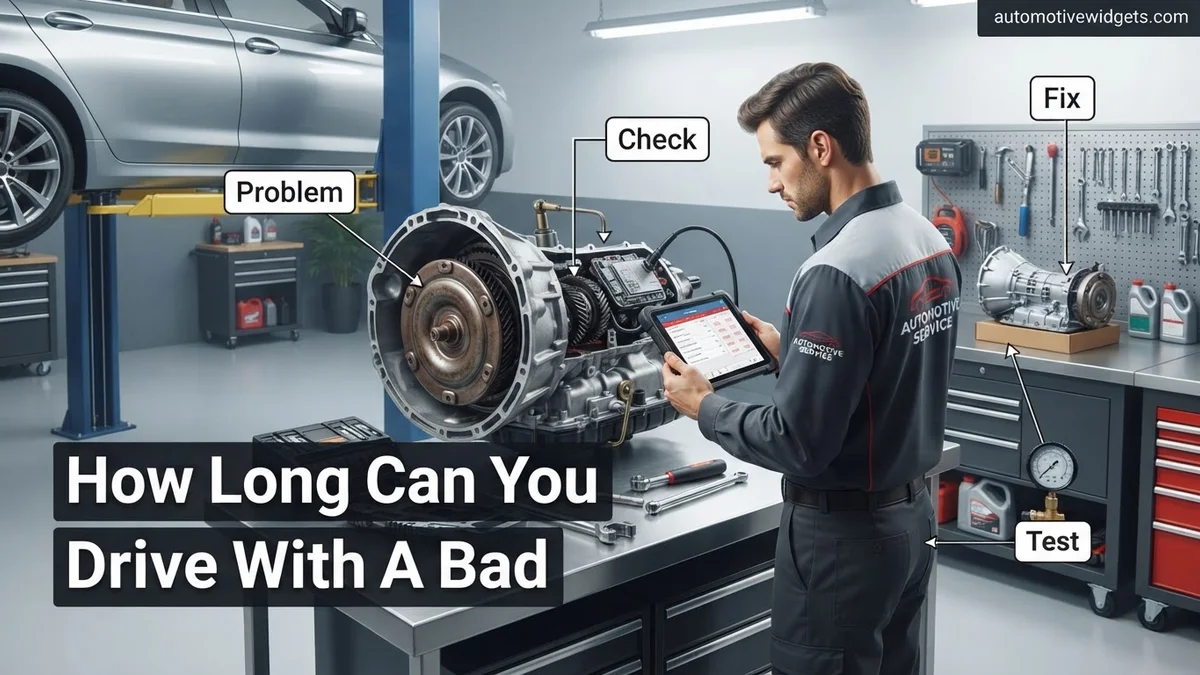
- Specialized Diagnostic Scan: Request a comprehensive diagnostic scan using manufacturer-specific tools. Generic OBD-II scanners often miss crucial proprietary transmission codes. A 2027-compliant scan can pinpoint solenoid failures, sensor malfunctions, or internal pressure issues.
- Physical Transmission Inspection: A technician should visually inspect the transmission pan for metal shavings, clutch material, or other debris, which are definitive signs of internal wear. Fluid analysis can also reveal specific contaminants.
- Test Drive with Diagnostic Equipment: An experienced technician will drive the vehicle while monitoring live data streams from the transmission control module (TCM). This provides real-time insights into shifting patterns, temperatures, and pressures under load.
- Professional Overhaul or Replacement: If the problem persists after initial attempts, the next step is often a transmission overhaul or full replacement. An overhaul (rebuilding the existing unit) typically costs between $2,500 and $4,500 in 2027, depending on the vehicle and extent of damage. A full replacement with a new or remanufactured unit can range from $3,500 to $6,500, with some complex modern transmissions exceeding $8,000 for parts and labor.
Conclusion
Driving with a bad transmission is a gamble, risking not only significant financial outlay but also personal safety. Immediate recognition of symptoms and prompt action are paramount. According to verified research and expert sources in 2027, extending the drive past initial warning signs severely increases the risk of catastrophic failure and exponentially higher repair costs. Consult a transmission specialist without delay to ensure your vehicle’s longevity and your safety.
❓ Frequently Asked Questions
What are the dangers of driving with a failing transmission?
Driving with a failing transmission can lead to sudden loss of vehicle power or control, stranding you in an unsafe location, or causing accidents due to unpredictable performance. It also escalates minor issues into total system failure, leading to significantly higher repair costs.
How do different transmission symptoms affect drivability?
Slipping gears make acceleration unreliable and unsafe; grinding noises indicate severe internal component damage that worsens with each mile. Fluid leaks risk total fluid loss, leading to complete transmission burnout. Any symptom warrants immediate cessation of driving.
Can I temporarily fix a bad transmission to drive a short distance?
While topping off low transmission fluid might offer a very brief, temporary reprieve for certain fluid-related issues, it’s not a fix for internal mechanical problems. Attempting to ‘limp’ home usually causes much more extensive and expensive damage in the long run.
What should I do immediately if I suspect my transmission is bad?
Safely pull your vehicle off the road, turn off the engine, and visually inspect for any obvious fluid leaks underneath the car. Do not attempt to drive it further; instead, arrange for immediate towing to a reputable mechanic or transmission specialist.
Will driving with a bad transmission void my warranty or insurance?
Driving a vehicle with a known severe mechanical issue like a failing transmission can potentially void factory or extended warranties if it’s proven that continued operation contributed to further damage. It could also complicate insurance claims if an accident occurs due to the known defect, as it may be considered negligence.
How much more expensive does a transmission repair get if I keep driving?
Continuing to drive with initial transmission symptoms can turn a relatively minor, potentially inexpensive repair (e.g., a sensor or solenoid replacement) into a catastrophic failure requiring a complete transmission rebuild or replacement, multiplying the cost from hundreds to several thousands of dollars.