What is the Difference between Red And Green Coolant: Key Facts Revealed
When it comes to keeping your car’s engine running smoothly, choosing the right coolant is more important than you might think. You’ve probably seen red and green coolant sitting side by side at the store and wondered—what’s the real difference?
Using the wrong one could cause costly damage or reduce your engine’s performance. You’ll discover exactly how red and green coolants differ, why it matters for your vehicle, and how to pick the best option for your car. Keep reading to make sure you’re protecting your engine the right way.
Types Of Red And Green Coolants
Red and green coolants are common in vehicles. They help keep engines from overheating. Each color has different types. These types vary by chemical make-up and use. Understanding these types helps pick the right coolant for your car.
Types Of Red Coolants
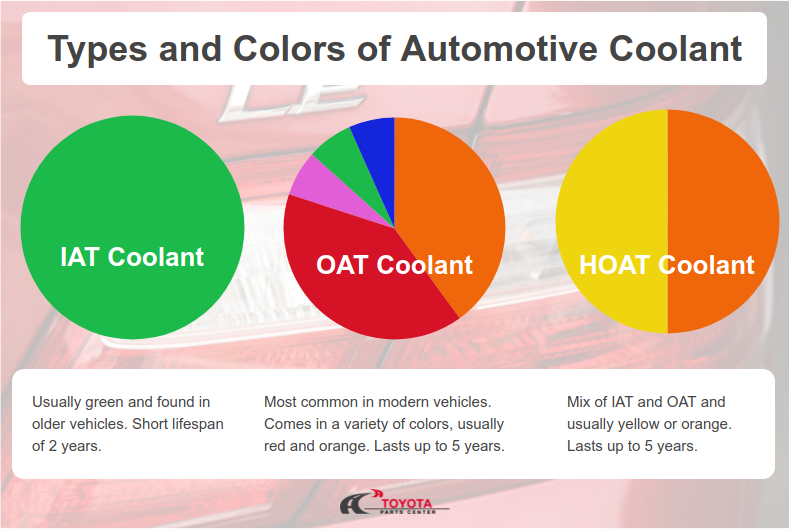
Red coolants usually contain Organic Acid Technology (OAT). They last longer than other coolants. OAT coolants protect against corrosion and rust. They are often used in newer cars. Some red coolants mix with other types for extra protection.
There are also Hybrid Organic Acid Technology (HOAT) coolants. These mix organic acids with other chemicals. HOAT coolants offer broad protection. They work well in both old and new engines. Red coolants generally need less frequent changing.
Types Of Green Coolants
Green coolants mostly use Inorganic Acid Technology (IAT). IAT coolants contain silicates and phosphates. These protect the engine but need changing more often. Green coolants are common in older cars and trucks. They provide strong corrosion protection for metal parts.
Some green coolants use Hybrid formulas. These combine traditional IAT with other chemicals. They aim to improve lifespan and protection. Green coolants usually require more frequent maintenance. Their simple formula helps keep older engines safe.

Credit: dfwkwikkar.com
Chemical Composition Differences
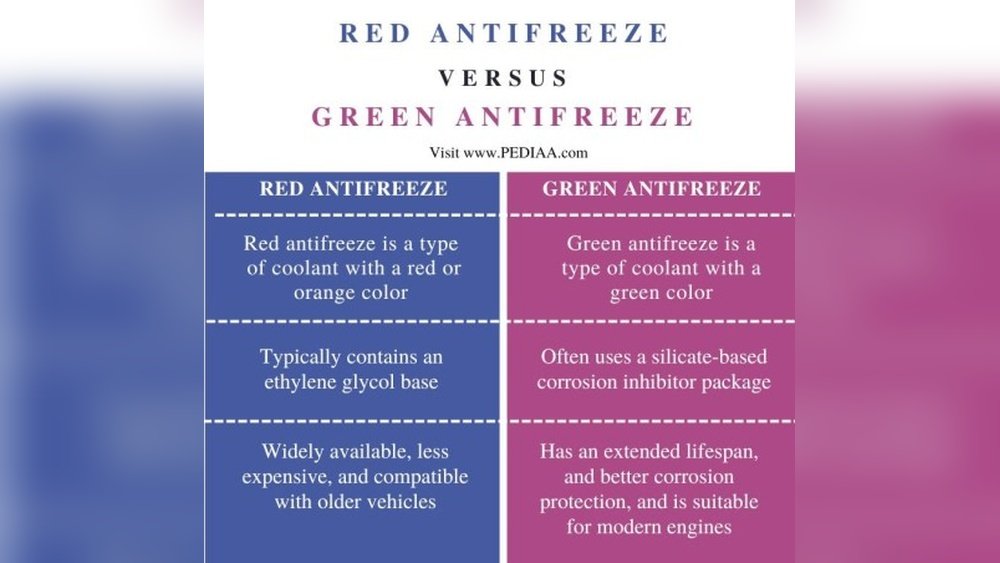
Red and green coolants have different chemical makeups that affect their use in engines. Red coolant usually contains organic acids, while green coolant often has silicates and phosphates. These differences help protect engines in various ways.
Red and green coolants have different chemical makeups. These differences affect their performance and use in vehicles.
Understanding their composition helps choose the right coolant for your car.
Red Coolant Chemicals
Red coolant contains organic acids. These acids protect the engine from rust and corrosion.
It uses organic acid technology (OAT). This keeps the coolant effective for a long time.
Red coolant does not have silicates or phosphates. It is designed for newer cars with aluminum parts.
Green Coolant Chemicals
Green coolant usually contains silicates and phosphates. These help protect the engine against corrosion quickly.
It uses inorganic additive technology (IAT). This type works well in older cars.
Green coolant needs to be changed more often than red coolant.
Impact On Engine Protection
Red coolant’s organic acids give slow and steady protection.
Green coolant’s silicates provide fast protection but wear out quicker.
Each type suits different engine materials and designs.
Performance And Longevity
Performance and longevity are key factors when choosing coolant for your vehicle. The type of coolant affects how well the engine runs and how long the coolant lasts. Red and green coolants have different formulas that impact these aspects.
Performance Differences Between Red And Green Coolant
Red coolant usually contains organic additives. These help protect the engine from corrosion and scale build-up. This results in smoother engine operation and better heat transfer.
Green coolant often uses inorganic additives. It offers strong protection against rust and corrosion too. However, it can cause deposits over time, which may reduce cooling efficiency.
Longevity Of Red And Green Coolant
Red coolant tends to last longer. It can protect the engine for up to five years or 150,000 miles. This reduces the need for frequent coolant changes.
Green coolant has a shorter life span. It usually needs replacement every two years or 30,000 miles. The additives break down faster, which lowers its effectiveness over time.
Credit: parts.olathetoyota.com
Compatibility With Engines
Coolant compatibility with your engine matters a lot. Using the right coolant keeps your engine safe. It helps prevent overheating and corrosion. Different engines need different coolants. Red and green coolants have distinct formulas. These differences affect how they work with engines.
Compatibility Of Red Coolant With Engines
Red coolant suits newer car models. It uses organic acid technology (OAT). OAT protects aluminum parts in modern engines. This coolant lasts longer, up to five years. It prevents rust and corrosion gently. Red coolant fits well with European and Asian cars. It is not for older engines with iron parts.
Compatibility Of Green Coolant With Engines
Green coolant uses traditional inorganic additives. It works well with older engines. These engines often have iron or steel parts. Green coolant protects metal surfaces against rust. It needs changing every two years or 30,000 miles. This coolant is common in American cars. It suits engines that require silicate-based protection.
Mixing Red And Green Coolants
Mixing red and green coolants can cause problems. Their chemicals may react and form sludge. Sludge clogs the cooling system. It reduces engine cooling efficiency. Always use the coolant type recommended by your car maker. Stick to one type to keep your engine healthy.
Environmental Impact And Safety
Coolants keep engines cool and prevent damage. Red and green coolants have different chemicals. These differences affect the environment and safety. Understanding these impacts helps in choosing the right coolant.
Environmental Impact Of Red Coolant
Red coolant often contains organic acids. These acids break down slowly in nature. It is less harmful to soil and water. Red coolant is biodegradable. It reduces long-term pollution risks.
Spills of red coolant still need quick cleanup. Large amounts can harm plants and animals. Use care when handling and disposing of it.
Environmental Impact Of Green Coolant
Green coolant usually has inorganic additives. These chemicals can be toxic to wildlife. It takes longer to break down in the environment. Spills can pollute soil and waterways. Proper disposal is critical to avoid harm.
Green coolant is less eco-friendly than red. It requires special treatment before disposal.
Safety Considerations For Red Coolant
Red coolant is less toxic to humans. It poses lower risks if accidentally touched. Still, avoid ingestion or prolonged skin contact. Wear gloves when handling to stay safe.
Its sweet smell can attract pets or children. Store it securely to prevent accidents.
Safety Considerations For Green Coolant
Green coolant contains chemicals that can irritate skin and eyes. It is more harmful if swallowed. Use protective gear when working with green coolant. Keep it away from children and pets.
Spills require immediate cleaning to reduce exposure risks.

Credit: belmontlubricants.com
Choosing The Right Coolant For Your Vehicle
Choosing the right coolant for your vehicle is important to keep the engine safe. Coolant protects the engine from overheating and freezing. It also stops rust and corrosion inside the cooling system. Using the wrong coolant can cause damage and reduce the life of your engine.
Red and green coolants are common types, but they have differences. Each type works best with certain cars. Knowing these differences helps you pick the right one for your vehicle.
Understanding Your Vehicle’s Coolant Requirements
Check your owner’s manual for the recommended coolant type. Car makers design engines to work with specific coolants. Using the right one keeps the engine running smoothly. Some cars need red coolant, while others need green. Follow the guide to avoid costly repairs.
Red Coolant Characteristics
Red coolant often uses Organic Acid Technology (OAT). It lasts longer than other types. It does not need frequent changing. Red coolant protects aluminum parts well. It is ideal for newer cars with advanced engines.
Green Coolant Characteristics
Green coolant usually contains Inorganic Additive Technology (IAT). It is the traditional type used in many vehicles. Green coolant needs changing more often. It works well with older cars. It protects the cooling system from rust and corrosion.
Mixing Coolants: What You Should Know
Avoid mixing red and green coolants. Mixing can reduce protection and cause damage. It may create sludge inside the cooling system. Always drain old coolant fully before adding a new type. Use the same type recommended by the car maker.
Frequently Asked Questions
What Is Red Coolant Used For In Cars?
Red coolant is mostly used in older vehicles with aluminum engines. It helps prevent rust and corrosion inside the engine cooling system.
How Does Green Coolant Differ From Red Coolant?
Green coolant contains different chemicals and usually lasts for about two years. Red coolant often lasts longer and has organic additives for engine protection.
Can I Mix Red And Green Coolant In My Car?
Mixing red and green coolant is not recommended. It can cause chemical reactions that reduce the coolant’s effectiveness and harm the engine.
Why Does Coolant Color Matter In Vehicle Maintenance?
Coolant color shows the type of chemicals inside and their lifespan. Using the wrong color can cause engine overheating or damage.
How Often Should I Change Red Or Green Coolant?
Green coolant generally needs changing every 2 years or 30,000 miles. Red coolant can last up to 5 years or 150,000 miles, depending on the vehicle.
Conclusion
Red and green coolant serve different roles in car engines. Red coolant lasts longer and protects against corrosion. Green coolant works well for older vehicles but needs more frequent changes. Using the right coolant keeps your engine safe and running smooth.
Mixing coolants can cause damage and reduce performance. Always check your car’s manual before choosing coolant. Proper coolant helps avoid costly repairs and overheating. Choose wisely for a healthy engine and safe drives.