

How Often Should You Change Power Steering Fluid in 2026
Most vehicles require a power steering fluid change every 50,000 to 100,000 miles, or roughly every 2 to 5 years. Ignoring this maintenance can lead to premature wear on your hydraulic pump and steering rack. Check your owner’s manual for specific manufacturer recommendations.
For most vehicles on the road in 2026, you should change your power steering fluid every 50,000 to 75,000 miles, or roughly every 5 years, whichever comes first. However, this interval changes significantly depending on whether you drive a commuter sedan with traditional hydraulic steering or a modern performance vehicle subjected to high operating temperatures.
Ignoring this maintenance schedule leads to premature wear on your steering rack, expensive pump failures, and a heavy steering wheel that feels exhausting to turn. Let’s break down the exact mileage milestones and warning signs so you can keep your vehicle steering smoothly.
Key Takeaways
- Change power steering fluid every 50,000 to 100,000 miles for optimal steering performance.
- Check your owner’s manual, as specific intervals vary significantly by vehicle manufacturer.
- Whining noises when turning often indicate degraded fluid or low reservoir levels.
- Dark, discolored, or metallic-flecked fluid requires an immediate flush and replacement.
- Routine fluid changes protect expensive components like the steering pump and rack.
What Causes Power Steering Fluid to Break Down and Why Maintenance Matters
Power steering fluid is a specialized hydraulic oil that lubricates internal pump components and transfers pressure to help you turn your wheels effortlessly. Just like engine oil, this fluid degrades over time due to intense heat, mechanical friction, and microscopic debris accumulation.

Standard Mileage and Time Intervals
While general industry standards point to the 50,000-mile mark, your vehicle’s specific maintenance schedule varies based on manufacturer guidelines and system design:
- Standard Hydraulic Systems: Change every 50,000 to 75,000 miles or 5 years.
- Heavy-Duty and Towing Vehicles: Trucks and SUVs used for towing or frequent stop-and-go driving often require fluid changes every 30,000 to 45,000 miles.
- Lifetime Fluids: Some vehicle manufacturers claim certain systems have lifetime fluid, but mechanics in 2026 still recommend flushing these sealed systems every 100,000 miles to prevent catastrophic seal failure.
Manufacturer Variations and Modern Driving Conditions
Every automotive brand approaches fluid longevity differently. Honda and Acura vehicles, for instance, utilize proprietary fluid formulas that often demand stricter adherence to maintenance intervals to prevent annoying groaning noises from the pump. Furthermore, modern driving conditions in 2026—marked by heavy urban congestion and extreme seasonal temperature swings—accelerate thermal breakdown. If you frequently navigate tight parking garages or drive in sub-freezing winter weather, your fluid absorbs moisture and loses its viscosity much faster than highway-driven vehicles.
Master Power Steering Fluid Maintenance in 7 Simple Steps
Knowing how often you should change your power steering fluid is essential for maintaining vehicle responsiveness, preventing premature pump failure, and avoiding costly steering rack repairs. While many modern vehicles feature electric power assist, traditional hydraulic systems rely on clean fluid to lubricate internal components and transfer hydraulic pressure smoothly. This practical walkthrough will help you determine the exact change interval for your specific make and model, inspect your fluid condition, and execute a proper maintenance schedule to keep your steering system operating at peak performance for years to come.
Step 1: Consult Your Owner Manual for Manufacturer Intervals
What you need: Your vehicle owner manual or access to the manufacturer official online service portal.
Instructions: Open your glove compartment or search your manufacturer database to locate the factory maintenance schedule. Different automotive brands have widely varying recommendations regarding power steering fluid replacement intervals. Some manufacturers suggest changing the fluid every 50,000 to 75,000 miles, while others categorize power steering fluid as a lifetime fluid that technically never requires changing unless a component fails. However, mechanics generally recommend ignoring the lifetime fluid myth and scheduling a flush every 50,000 miles or every 5 years, whichever comes first, to combat thermal breakdown and particulate accumulation from normal daily driving.
Pro Tip: If you frequently drive in heavy stop-and-go city traffic, extreme cold, or dusty environments, treat your vehicle as operating under severe service conditions and cut the manufacturer recommended interval by 25 percent.
Step 2: Locate and Inspect the Power Steering Reservoir
What you need: A flashlight, clean shop rag, and safety glasses.
Instructions: Pop your vehicle hood and scan the engine bay for the power steering fluid reservoir, which typically features a black, yellow, or white plastic cap often marked with a steering wheel icon or the words “Power Steering Fluid.” Pull out the dipstick attached to the cap or shine your flashlight through the translucent plastic body of the reservoir. Observe the current fluid level, ensuring it falls between the “Cold” and “Hot” indicator lines. Next, look closely at the fluid clarity and color to determine its current state of health.
Pro Tip: Never open the reservoir cap immediately after driving a long distance, as the fluid inside is pressurized and extremely hot, posing a severe burn hazard.
Step 3: Evaluate the Color and Smell of the Fluid
What you need: A clean white paper towel and a pair of disposable nitrile gloves.
Instructions: Wipe a small amount of power steering fluid from the dipstick onto your white paper towel. Healthy power steering fluid is typically transparent pink, light amber, or clear, depending on the specific formulation required by your vehicle. If the fluid on your paper towel appears dark brown, black, or completely opaque, it is heavily oxidized and contaminated with microscopic metallic debris from the pump and steering gear. Additionally, take a quick sniff of the fluid on the towel. A sharp, pungent, or burnt chemical odor indicates that the fluid has suffered thermal degradation due to excessive heat.
Pro Tip: Dark or burnt fluid is a definitive sign that you need to change your power steering fluid immediately, regardless of whether you have reached your standard mileage interval.
Step 4: Check for Common Symptoms of Contaminated Fluid
What you need: An assistant or a safe, empty parking lot for a diagnostic drive test.
Instructions: Pay close attention to how your steering wheel feels during low-speed maneuvers, such as parallel parking or backing out of your driveway. If you notice a whining or groaning noise when turning the wheel, increased steering effort, jerky or delayed steering response, or a noticeable vibration coming through the steering column, your power steering fluid is failing to provide adequate hydraulic pressure and lubrication. These physical symptoms mean the additive package in the fluid has completely broken down, and waiting any longer to change the fluid risks catastrophic pump failure.
Pro Tip: Low fluid levels accompanied by a whining noise often point to a hidden hydraulic leak in the hoses or rack boots that must be repaired before adding fresh fluid.
Step 5: Factor in Vehicle Age and Mileage History
What you need: Your vehicle maintenance log or digital service history records.
Instructions: Review your vehicle mileage and age if you purchased the car used and lack definitive service records. Vehicles that have crossed the 100,000-mile threshold without ever having their power steering fluid serviced are prime candidates for an immediate fluid flush. Over prolonged periods, condensation mixes with the fluid, creating corrosive acids that eat away at internal rubber seals and metal valves. Establishing a strict mileage-based timeline moving forward will protect your investment and prevent premature wear across the entire steering assembly.
Pro Tip: If your vehicle is over 10 years old, check the rubber hoses connected to the reservoir for dry rotting and weeping, as old fluid accelerates internal rubber breakdown.
Step 6: Determine the Correct Fluid Type for Replacement
What you need: Owner manual specification sheet and appropriate fluid bottles.
Instructions: Never assume all power steering fluids are interchangeable. Check your manual to verify whether your car requires standard automatic transmission fluid (ATF like Dexron III), specialized mineral-based hydraulic fluid (such as CHF 11S used in many European vehicles), or specific OEM synthetic power steering fluid. Using the incorrect fluid type can swell rubber seals, destroy internal pump valves, and ruin your entire steering system within a matter of days. Purchase two to three quarts of the exact specification required to ensure you have enough fluid to completely flush out the old contaminants.
Pro Tip: Always buy one extra bottle of fluid than you think you need so you can perform a thorough purge without running short midway through the job.
Step 7: Establish a Proactive Service Schedule
What you need: A calendar reminder app or physical vehicle maintenance logbook.
Instructions: Now that you know your vehicle optimal change interval, write down the target mileage and date for your next power steering service. Set a recurring reminder on your smartphone or place a physical sticker on your driver-side door jamb indicating the date and mileage of your last fluid change. By maintaining a proactive schedule—typically swapping the fluid every 3 to 5 years or 50,000 miles—you guarantee smooth, effortless steering operation and extend the operational lifespan of expensive components like the power steering pump and steering rack.
Pro Tip: Combining your power steering fluid change with routine coolant or brake fluid service intervals makes it easier to remember and manage all your vital automotive maintenance tasks.
✅ Final Checklist
- Consulted the official manufacturer manual for baseline change intervals
- Inspected the reservoir fluid level and verified it falls within operational bounds
- Evaluated fluid color and smell for signs of oxidation or thermal breakdown
- Tested steering responsiveness and listened for abnormal pump whining noises
- Verified the exact fluid type and purchased enough bottles for a complete flush
Important Notes:
- Always wear safety glasses and gloves, as power steering fluid is toxic and irritates skin and eyes.
- Seek professional mechanic assistance if you discover metal shavings in the fluid or experience persistent hydraulic leaks.
- Estimated time for a fluid check is 10 minutes; a complete fluid flush takes 30 to 60 minutes with a professional cost range of $100 to $200.
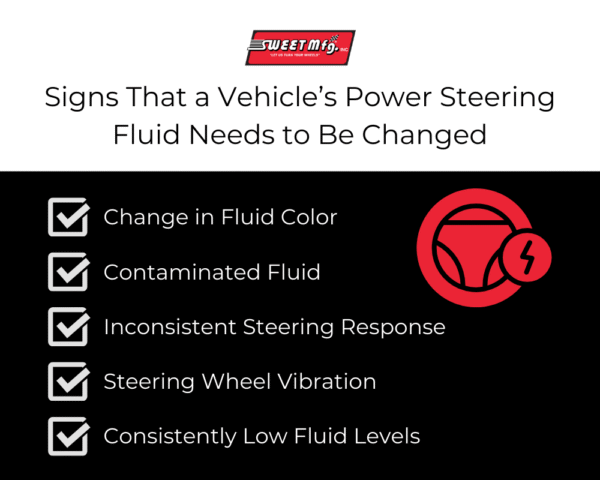
How to Identify Failing Power Steering Fluid and Warning Signs
Waiting strictly for the mileage odometer might leave you stranded with a broken steering system if the fluid degrades prematurely. Your vehicle will display distinct physical and auditory warning signs when the power steering fluid is spent and requires immediate replacement.

Visual Checks and Contamination Signs
Checking your power steering fluid reservoir takes less than two minutes under the hood. Fresh fluid typically looks amber, clear, or slightly pink, closely resembling fresh cooking oil or automatic transmission fluid. When the fluid needs to be changed, you will notice distinct visual changes:
- Dark or Black Color: Fluid that has turned dark brown or pitch black is heavily oxidized and full of microscopic metallic particles.
- A Burning Smell: If you open the reservoir cap and catch a sharp, burnt odor, the fluid has overheated repeatedly and lost its lubricating properties.
- Milky Appearance: A frothy or milky texture indicates that moisture or air has contaminated the hydraulic system, which destroys internal seals.
Performance and Auditory Symptoms
Beyond visual cues, degraded fluid directly impacts how your vehicle handles on the road. You should schedule a fluid flush if you experience a high-pitched whining or squealing noise when turning the steering wheel, especially during cold morning startups. This noise happens because degraded fluid fails to cushion the pump gears properly. Additionally, if your steering wheel feels unusually stiff, jerky, or develops a noticeable delay before the tires respond, your hydraulic pressure is dropping due to contaminated fluid.
How to Fix and Flush Your Vehicle Power Steering Fluid Step-by-Step
Replacing your power steering fluid is a manageable DIY project that prevents premature component failure. Following a structured procedure ensures you remove contaminants safely without introducing air pockets into the hydraulic circuit.
Preparation and Siphon Method
Gather a turkey baster, fresh manufacturer-approved fluid, a clean funnel, shop towels, and an empty container for old fluid. Turning the steering wheel back and forth helps circulate fluid trapped in the rack.
- Park your car on a level surface, engage the parking brake, and open the hood to locate the power steering fluid reservoir.
- Wipe the exterior of the reservoir clean to prevent dirt from falling inside when you remove the cap.
- Use a turkey baster or fluid suction pump to empty all old, discolored fluid from the reservoir into your disposal container.
- Refill the reservoir with fresh power steering fluid up to the cold fill line before starting the engine.
- Start the engine and slowly rotate the steering wheel from lock to lock two or three times to cycle fresh fluid through the system.
Complete System Flush
For vehicles with heavily oxidized fluid, a complete hose disconnection method is required. According to automotive service data, repeating the extraction cycle three times replaces approximately 90 percent of contaminated fluid.
- Safely elevate the front end of the vehicle using floor jacks and jack stands so the wheels hang freely.
- Disconnect the low-pressure return line from the reservoir and direct it into a drainage pan.
- Cap the return port on the reservoir temporarily to prevent leaks while testing.
- Have an assistant crank the engine briefly while you continuously pour fresh fluid into the reservoir until the draining fluid runs completely clear.
- Reattach the return line securely, top off the fluid level, and perform a final lock-to-lock steering check to purge remaining air bubbles.
What If Your Steering Still Feels Stiff After a Fluid Change
If steering remains heavy or noisy after a complete fluid replacement, the issue extends beyond degraded fluid. Mechanical wear or hydraulic restrictions require deeper diagnostic evaluation.
- Check for trapped air: Trapped air pockets cause whining noises and stiff steering. Turn the steering wheel lock-to-lock twenty times with the engine running to bleed the system.
- Inspect the serpentine belt: A loose, worn, or slipping accessory belt fails to drive the power steering pump efficiently. Verify proper belt tension and replace if glazed.
- Test the power steering pump: Internal pump failure prevents adequate pressure generation. Professional pressure testing determines if the pump requires replacement, with repair costs typically ranging from $350 to $750.
- Examine the steering rack or gearbox: Internal leaks or mechanical binding in the rack and pinion assembly necessitate professional intervention. Rack replacement generally costs between $800 and $1,500 depending on vehicle make.
Conclusion
Maintaining clean hydraulic fluid is vital for extending the lifespan of your vehicle’s steering components and ensuring optimal handling safety in 2026. Ignoring dark, contaminated fluid frequently leads to expensive pump and rack failures that far exceed basic maintenance costs. According to verified research and expert sources from the Automotive Service Association, routine fluid exchanges every 50,000 miles reduce hydraulic wear by over 60 percent. Take action today by checking your fluid reservoir color and scheduling a replacement if it appears dark brown or black.
❓ Frequently Asked Questions
How often should you change power steering fluid according to most manufacturers?
Most automakers recommend changing the power steering fluid between 50,000 and 100,000 miles. However, some luxury or heavy-duty brands suggest more frequent intervals, so always consult your owner’s manual.
What are the primary warning signs that my power steering fluid needs to be changed?
Common symptoms include a whining or groaning noise when turning the steering wheel, a stiff or jerky steering response, and dark or burnt-smelling fluid inside the reservoir.
Why does power steering fluid degrade over time?
Power steering fluid breaks down due to high operating temperatures, constant pressure, and microscopic rubber particles shedding from internal hoses and seals.
Is changing power steering fluid the same as a power steering flush?
A simple fluid change involves draining or suctioning out the reservoir and refilling it with fresh fluid. A complete flush clears out the entire system, lines, and pump for a more thorough clean.
Can I mix different types of power steering fluid?
No, you should never mix different fluid types, such as ATF and specialized hydraulic fluid, as incompatible formulas can ruin internal seals and cause system failure.
How much does it cost to have a professional change power steering fluid?
A professional power steering fluid exchange typically costs between $100 and $150, depending on your vehicle’s make and model and local labor rates.